Table of Contents
1. What Is an Outsourced Contact Center: Definition, Functions, and How It Works
2. Differences Between an Outsourced Contact Center and a Call Center: How to Choose the Best Option
3. Benefits of Using an Outsourced Contact Center for Business
4. The Main Types of Services Provided by an Outsourced Contact Center
5. How to Choose an Outsourced Contact Center for Your Company: Selection Criteria and Quality Assessment
6. Differences Between an In-House and an Outsourced Contact Center: Which Option Is Better for Your Business?
7. How an Outsourced Contact Center Can Help a Business Reduce Staff Costs
8. How an Outsourced Contact Center Helps Increase Sales and Improve Customer Relationships
9. How an Outsourced Contact Center Can Help Companies Reduce Customer Churn
10. What Requirements Should Be Placed on Outsourced Contact Center Staff
11. How an Outsourced Contact Center Can Help Companies Reduce Response Time to Customer Requests and Improve Resolution Time
12. Conclusion
What Is an Outsourced Contact Center: Definition, Functions, and How It Works
An outsourced contact center is a company that provides call and contact handling services on behalf of its clients. It can be located either within the client’s country or abroad. In this case, we are talking about outsourcing contact center services, meaning transferring them to an outside company on an outsourcing basis.
Outsourced contact center functions include:
- handling inbound calls;
- processing inquiries and complaints;
- customer support;
- sales and marketing campaigns;
- website support;
- call and traffic management.
As a rule, an outsourced contact center specializes in handling inbound and outbound calls, which helps reduce the workload on the sales department and customer service team, as well as increase the number of calls handled.
How an outsourced contact center works:
- implementation of advanced technologies that improve operational efficiency;
- flexibility in working with clients, taking their needs and preferences into account;
- availability of qualified staff specializing in call handling and customer interactions;
- a high level of service and professional approach to work;
- the ability to scale operations and increase the number of calls handled.
One of the main advantages of an outsourced contact center is the cost savings on equipment and staff training, since the client company only bears the costs of handling calls and contacts. In addition, an outsourced contact center usually has extensive experience working with different types of clients, which allows it to deliver higher-quality services.
Of course, choosing an outsourced contact center depends on a number of factors, such as the size and needs of the company, budget, service level requirements, business specifics, and others. However, if the chosen contact center meets all the requirements, it can significantly improve customer service quality, reduce the workload on the sales department, and increase the number of calls handled, which ultimately boosts the client company’s business efficiency.
It is also important to remember that successful cooperation with an outsourced contact center requires clear and timely information sharing, well-defined goals and service expectations, as well as regular monitoring of service quality and customer interactions.
Differences Between an Outsourced Contact Center and a Call Center: How to Choose the Best Option
When it comes to choosing between an outsourced contact center and a call center, many businesses face the challenge of identifying the most suitable option. Both types of centers offer services in call handling and customer database management, but they have their own distinct features that can influence your choice.
To help you make the right decision, we will look at the main differences between an outsourced contact center and a call center, as well as share practical tips for choosing the best option for your business.
- Main functions
A call center primarily handles inbound and outbound calls. It may provide customer support, order processing, market research, as well as data collection and dialer campaigns for potential customers.
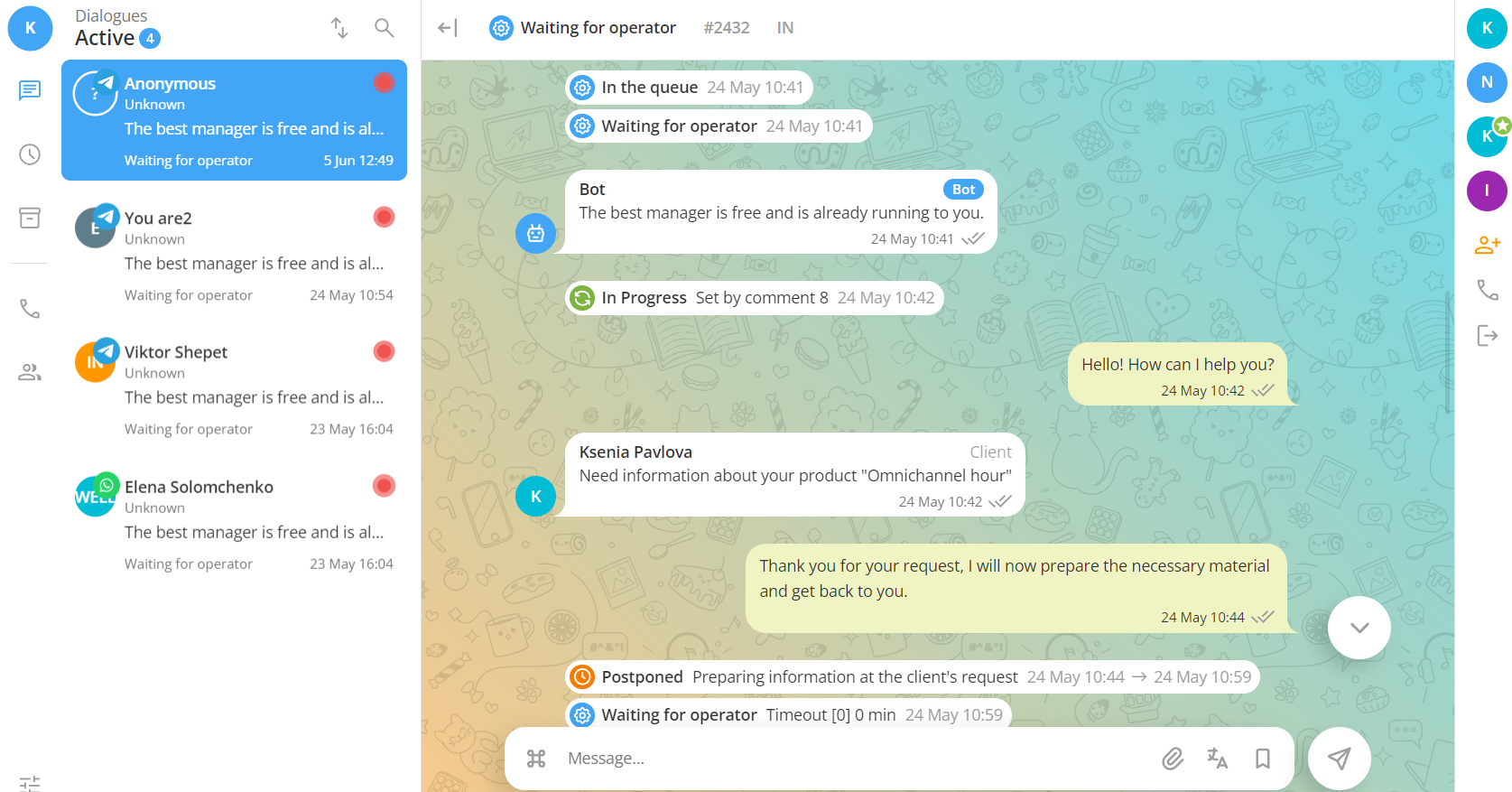
An outsourced contact center, in addition to calls, can provide email, social media, chat, and SMS processing services. It specializes in managing customer communications across all communication channels.
- Technical support
A call center can provide technical support to customers within its area of expertise, but in general, it is not specialized in this area.
An outsourced contact center can provide highly qualified technical support, which is a major advantage for businesses operating in the IT sector or other industries that require skilled technical assistance.
- Training and service quality
Call centers are usually trained on specific customer communication scripts, which makes it possible to quickly onboard new employees and ensure standardized service quality. However, this can lead to a lack of personalized customer approach, which negatively affects customer satisfaction.
Outsourced contact centers, in turn, usually train their employees on the principles of delivering high-quality service and developing an individual approach to each customer. This may take more time and resources, but often leads to better results and higher customer loyalty.
- Prices
Call centers usually offer lower prices for their services than outsourced contact centers. However, it is worth considering that price may not be the only criterion when choosing a provider.
Outsourced contact centers can provide additional services, such as social media management or email processing, which can increase the cost of their services. In addition, the price may depend on the skill level of employees, service quality, and other factors.
- Geographic location
Call centers are usually located within the country, which can be an important factor for businesses that want to retain national specialists and ensure high-quality service at the local level.Outsourced contact centers may be located both within the country and abroad, which helps reduce service costs, but at the same time can create difficulties in organizing work and communicating with the provider.
In conclusion, the choice between an outsourced contact center and a call center should be based on your business’s specific needs and goals. After reviewing all the differences between it and a call center, as well as taking into account the specifics of your industry and customer requirements, you will be able to determine the best provider option.
If you are looking for a provider with experience in the IT sector or in technical support, an outsourced contact center may be the best choice. If you are looking for a more affordable option for handling calls and managing your customer base, then a call center may suit you better.
However, it is worth remembering that choosing the right provider can increase customer satisfaction, improve service quality, and ultimately lead to business growth. That is why it is important to carefully evaluate all factors before making a final decision.
Benefits of using an outsourced contact center for business
Outsourcing a contact center is becoming increasingly popular among companies that want to optimize their business processes. In this section, we will look at several benefits that companies can gain by using outsourced contact center services.
- Reduced customer service costs
Using outsourced contact center services allows companies to reduce customer service costs. Instead of maintaining an in-house contact center department, companies can outsource these functions and pay only for the services actually provided. This helps reduce spending on employee salaries, equipment, software, office rent, and other expenses.
- Increased availability for customers
Outsourced contact centers operate 24/7, allowing customers to contact company representatives at any time of day or night. This increases accessibility and convenience for customers, which can improve overall service quality.
- Improved service quality
Companies that specialize in contact center outsourcing can deliver a higher level of service than companies that do not have a dedicated contact center. Employees of an outsourced contact center receive specialized training and have more experience and expertise in customer service.
- Expanding geographic reach
Outsourced contact centers can work with customers in different parts of the world, allowing companies to expand their geographic reach. This is especially important for companies operating internationally and serving customers across different continents.
- Faster call handling
Outsourced contact centers use specialized equipment and software that makes it possible to automate many processes, such as call routing, prioritization, call recording, and more. This helps reduce customer wait times, speed up call handling, and increase the overall productivity of the contact center.
- Flexibility and scalability
Contact center outsourcing enables companies to scale their operations quickly according to business needs. Companies can increase or decrease the number of agents depending on seasonal changes in demand for services, which helps reduce staffing costs.
- Improving marketing efficiency
Outsourced contact centers can do more than just serve customers; they can also handle marketing functions. They can collect customer data, analyze customer behavior and preferences, and conduct market research. This helps companies improve their marketing strategy and increase the effectiveness of their campaigns.
Using outsourced contact center services can help companies reduce customer service costs, improve service availability and quality, expand geographic coverage, speed up call handling, increase business flexibility and scalability, and improve marketing efficiency. This can lead to higher profits and improve the company’s reputation in the eyes of customers.
Main types of services provided by an outsourced contact center
An outsourced contact center provides a wide range of customer service offerings, including both traditional operations and new digital communication channels. Below are the main types of services that an outsourced contact center can provide:
- Inbound calls: An outsourced contact center can handle incoming calls from customers and process their requests. Contact center agents can provide technical support, consulting services, process orders, and resolve issues related to products and services.
- Outbound calls: An outsourced contact center can also make outbound calls for marketing, sales, and customer support. These may include calls for customer satisfaction surveys, offers of new products and services, and notifications about changes to contract terms.
- Email and chat: An outsourced contact center can provide email and chat handling services for customers. This may include answering questions, helping with order placement, and providing technical support.
- Social media management: A contact center can help a company manage its social media profiles, resolve customer issues, and answer their questions.
- Order processing: An outsourced contact center can process customer orders and monitor their fulfillment. Agents can help customers place orders, modify or cancel them, and answer questions about order status.
- Technical support: A contact center can provide technical support to customers, helping them resolve issues with products or services. This may include both remote support and customer training.
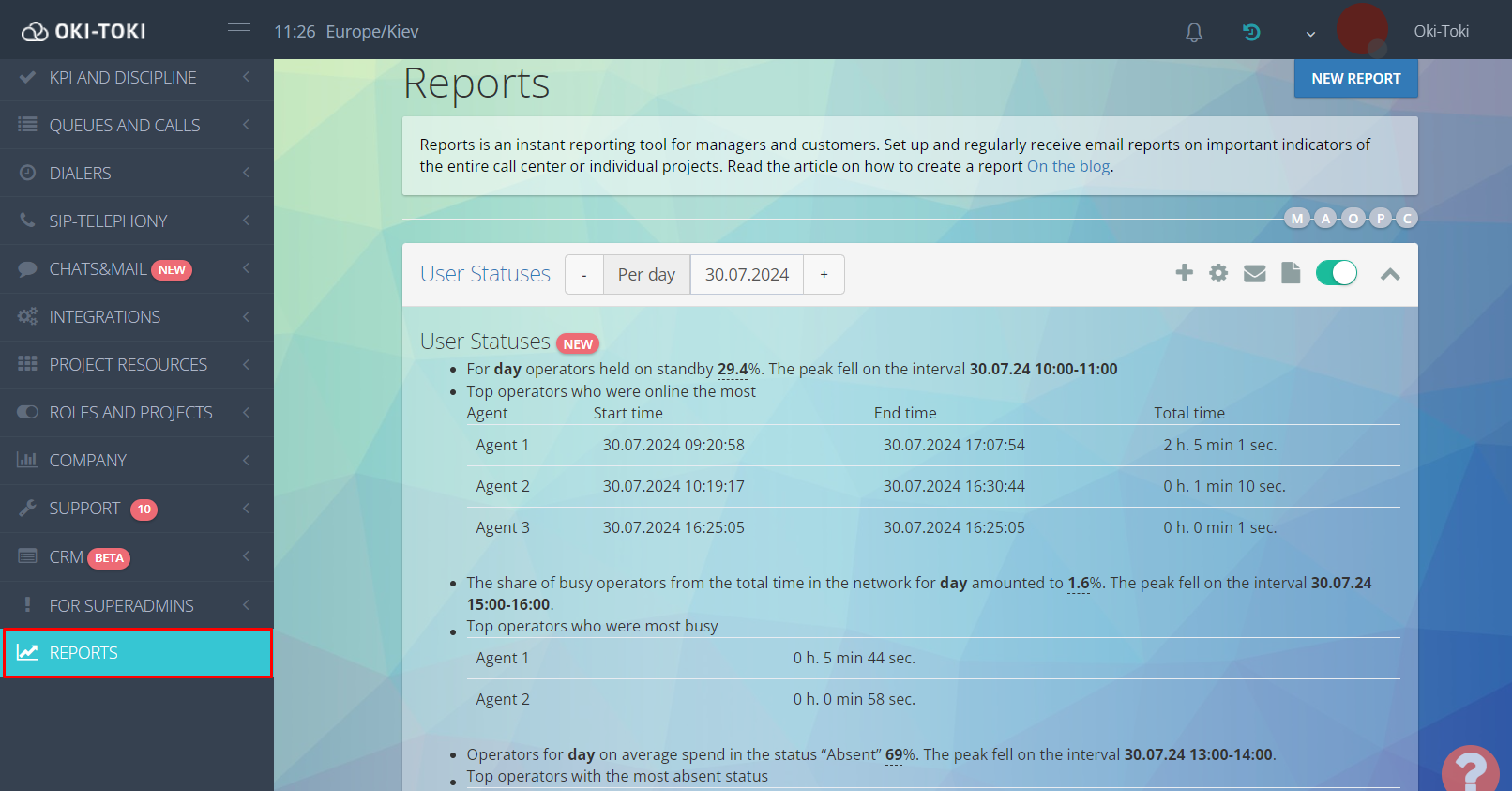
- Analytics and reporting: An outsourced contact center can provide analytics and reporting services that help customers understand their business processes and make management decisions. This may include analysis of customer and product data, service quality analysis, as well as monitoring the performance of contact center agents.
- Multilingual support: An outsourced contact center can provide services in multiple languages, allowing companies to serve customers in different regions and countries. Agents can speak the customer’s language and deliver a high level of service in line with the customer’s cultural specifics.
- Agent training: An outsourced contact center can provide contact center agent training so they can deliver high-quality, professional support to customers. This may include technical skills training, sales training, conflict management training, and more.
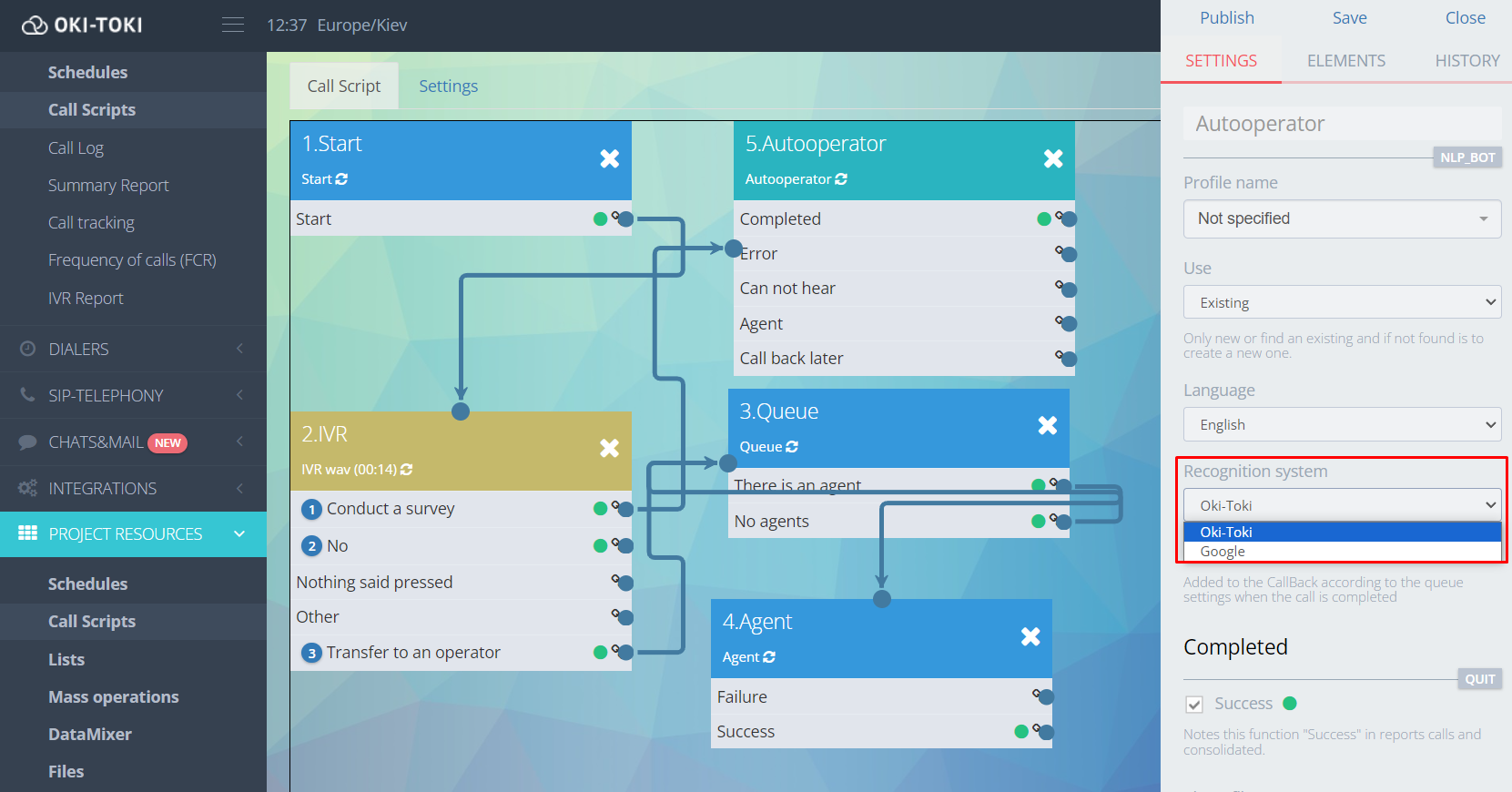
- Process automation and optimization: An outsourced contact center can help companies automate and optimize their processes, enabling them to increase efficiency and reduce costs. This may include automatic call routing, automatic speech recognition, AI-powered issue resolution, and much more.
- Customer relationship management (CRM): An outsourced contact center can help companies manage customer relationships using specialized customer relationship management (CRM) systems. Agents can track customer communication history, manage requests and complaints, and improve customer interactions.
Each outsourced contact center can offer its own unique set of services depending on the customer’s needs. Companies can choose specific services or service packages that fit their business needs and budget. It is important to choose a reliable partner that can deliver quality service and improve the customer experience.
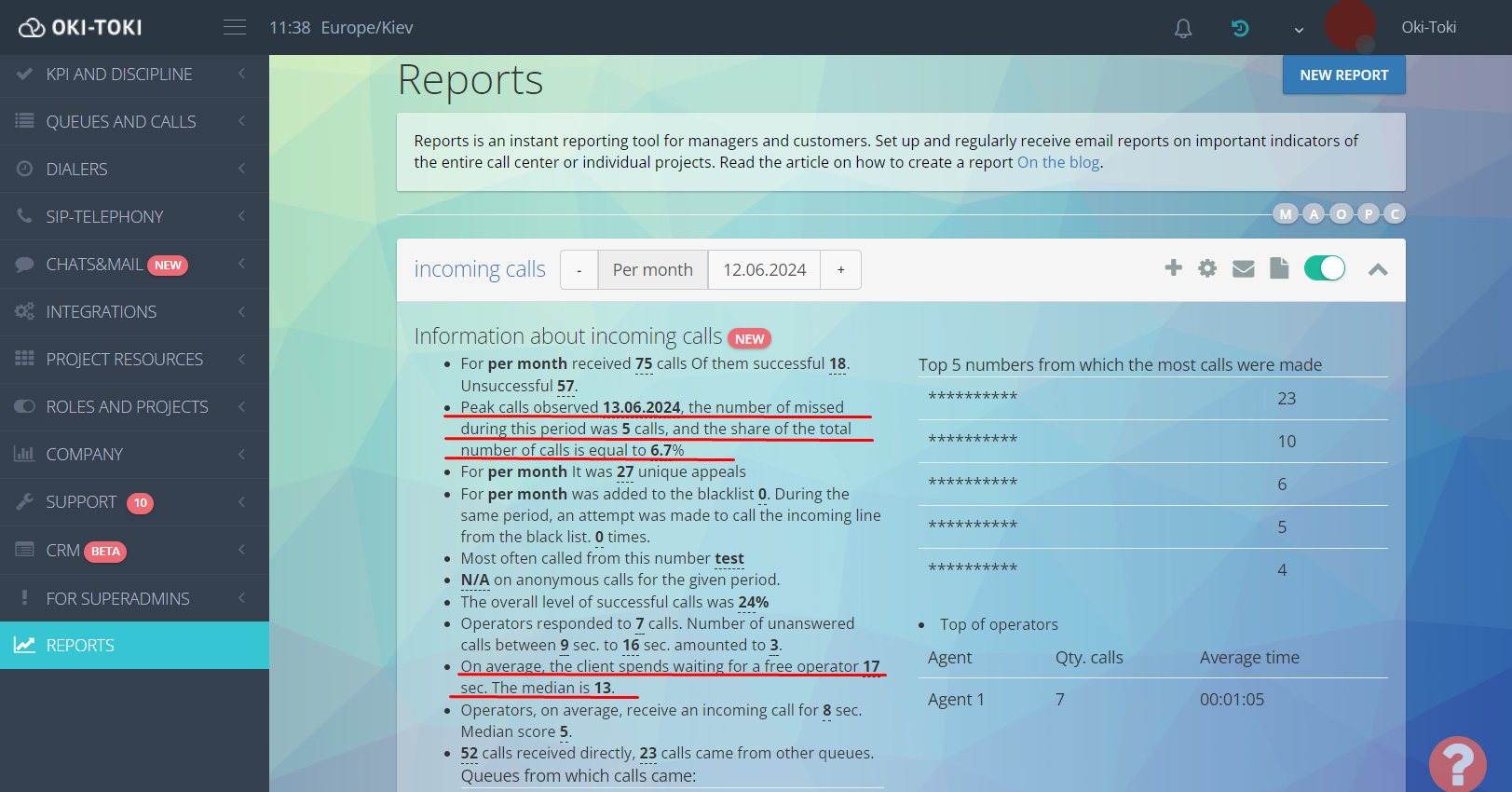
For example, one of a contact center’s tasks may be to optimize customer wait times in the call queue. To do this, agents can use analytics to identify peak hours and find ways to reduce wait times. A contact center can also give customers the option to request a callback or submit a request via email or chat.
Another example may be managing customer relationships through a CRM system. A contact center can help customers with service or product inquiries and use that data to improve future customer interactions.
Finally, a contact center can provide social media monitoring services and respond promptly to customer complaints or issues, helping maintain a positive company image.
Overall, an outsourced contact center can provide comprehensive services that improve customer service quality and raise customer satisfaction levels. Choosing the right contact center can make a significant difference to business success, so it is important to work with trusted, high-quality service providers.
How to Choose an Outsourced Contact Center for Your Company: Selection Criteria and Quality Assessment
An outsourced contact center is an important part of a successful business. It gives companies the opportunity to focus on their core activities by handing routine customer service tasks over to professionals. However, choosing the right contact center can be a challenging task. In this section, we will look at the criteria for choosing an outsourced contact center and methods for evaluating its quality.
- Geography
The first and very important criterion is the contact center’s location. The contact center should be located in a place where there is a sufficiently high level of staff qualification, access to skilled talent, and a low cost of living. This will give the company access to highly qualified employees who can serve customers at the highest level while reducing the costs of maintaining the contact center.
- Employee qualifications
The second criterion is the qualifications of the contact center’s employees. Staff must be highly qualified and experienced in working with customers. The contact center should provide detailed information about its employees, including their work experience and qualifications, as well as carry out testing and training for new employees before they start working.
- Technology
The third criterion is the technology used by the contact center. The contact center should use modern technologies that ensure a high level of customer service, as well as efficient and convenient work for employees. These technologies may include agent automation, call management and reporting systems, and integration with other systems.
- Work experience
The fourth criterion is the contact center’s work experience. The company should research the contact center’s background, including how long it has been on the market, its experience serving customers in the same industry as the client company’s, as well as ratings and reviews from other contact center clients. This will help the company understand how successfully the contact center serves its customers and what level of quality can be expected.
- Flexibility
The fifth criterion is the contact center’s flexibility. The contact center should have a flexible pricing model that allows the client company to choose the required level of service and not overpay for unused services. In addition, the contact center should be ready to adapt to changes in the client’s business processes, for example to changes in the number of customers or types of service.
- Service level
The sixth criterion is the level of service provided by the contact center. The contact center should provide a high level of service and maintain feedback with customers. It is also important to make sure the contact center offers services in several languages if the company works with an international customer base.
- Cost
The seventh criterion is the cost of the contact center’s services. The contact center should offer reasonable rates and additional services. It is important to understand that a cheaper contact center may not provide a high level of customer service and may also lack experience in this industry. It is necessary to evaluate the balance between price and service quality.
Evaluating the Quality of an Outsourced Contact Center
Besides the selection criteria, it is just as important to evaluate the quality of the services provided by the contact center. The following points will help you assess the quality of a contact center’s work:
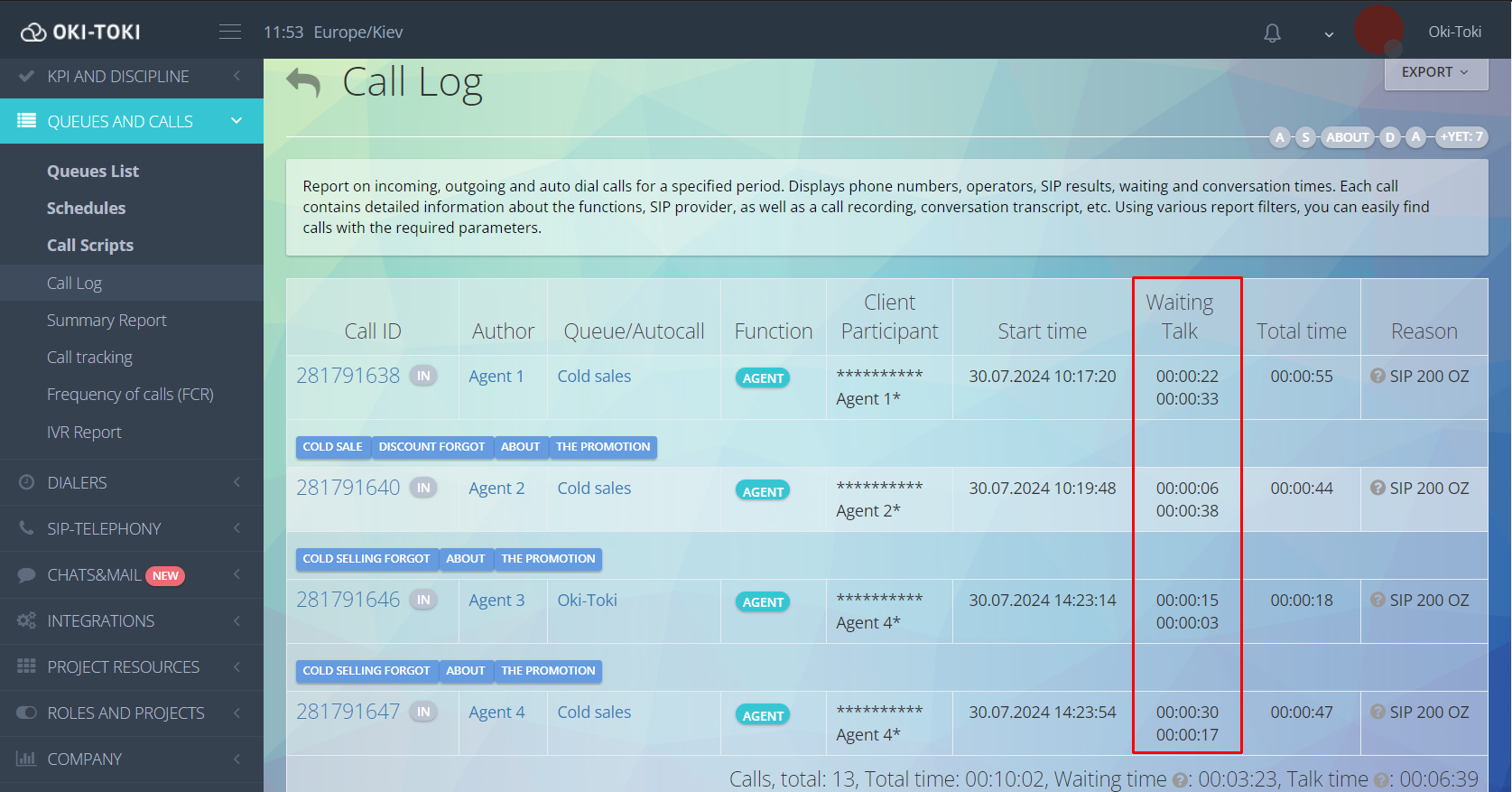
- Response speed and waiting time
Response speed and waiting time are the key indicators of how well a contact center performs. A contact center should provide fast and effective responses to customer calls and inquiries. Waiting time should be minimal so that customers do not feel irritated or distracted from their own tasks.
- Service quality
A contact center must provide a high level of customer service, including sound quality, speech clarity, as well as the politeness and professionalism of agents. In addition, the contact center should be ready to resolve service-related issues and conflicts.
- Work efficiency
A contact center should work efficiently and not waste customers’ time on unnecessary actions, such as asking for the same information again or transferring a call between different agents. It should also ensure timely and accurate processing of customer data.
- Reporting
A contact center should provide information about the performance and efficiency of its services. It is important to assess the number and quality of reports, as well as their completeness and accuracy.
- Feedback
A contact center should provide feedback on the performance and quality of its services. It is important to make sure that the contact center is ready to receive feedback from customers and take steps to improve the quality of its services.
Choosing an outsourcing contact center can be a challenging task. However, the right contact center can significantly improve customer service quality and optimize a company’s business processes. By relying on selection criteria and methods for evaluating contact center performance, a company can choose the best partner for its needs.
Differences Between an In-House and Outsourcing Contact Center: Which Option Is Better for Your Business?
A contact center is a key element for a business, enabling it to deliver high-quality service to customers and retain them. The differences between an in-house and an outsourcing contact center are tied to how they organize their work and what approach they use to solve tasks.
An in-house contact center is located within the company and managed by its employees. This approach allows the company to control the work process and keep data confidential. In addition, an in-house contact center can quickly respond to changes in business processes and make the necessary adjustments.
However, an in-house contact center requires significant investment in staff training, equipment and software purchases, as well as maintenance and updates. In addition, if call volume is low, an in-house contact center may become an underutilized resource for the company.An outsourced contact center, on the other hand, is located outside the company and operates through third-party services. It enables a company to reduce spending on staff training and equipment, as well as cut the costs of maintenance and upgrades. In addition, an outsourced contact center can be more flexible and scalable, allowing the company to adapt quickly to changes in call volume.
However, when using an outsourced contact center, the company loses control over operations and cannot guarantee the security of confidential information. In addition, working with an outsourced contact center may not meet corporate standards and requirements, and may also require additional costs for coordination and agreements with the outsourcing partner.
Therefore, when choosing between an in-house and an outsourced contact center, it is necessary to consider the specifics and needs of the business. If a company handles a high volume of calls and wants to control operations and data security, an in-house contact center may be the best option. If, however, the company operates in a field where call volumes are low and flexibility and cost savings are needed, an outsourced contact center may be more appropriate.In addition, when choosing an outsourced contact center, it is necessary to consider the partner’s reputation and experience, technical capabilities, service level, and operational flexibility.
Regardless of the choice, it is important to focus on staff training and improving service quality in order to increase customer satisfaction and strengthen the company’s image.
Examples of successful in-house contact center operations include Amazon and Apple, which provide high-quality service and control operations. Examples of successful outsourced contact center operations include Teleperformance and Alorica, which provide flexibility and cost savings for their clients.
In summary, the choice between an in-house and an outsourced contact center depends on the specifics of the business and its needs. The company should carefully assess its capabilities and choose the most suitable option to ensure high-quality service and customer satisfaction.
The role of an outsourced contact center in improving customer service quality
An outsourced contact center plays an important role in improving customer service quality. In this section, we will look at several aspects of why companies are increasingly turning to outsourced contact center services and how they help improve customer service quality.
- Reducing response time and handling inquiries.
One of the main advantages of outsourcing contact centers is that they can reduce response times and inquiry handling times. In-house call centers and contact centers may face overload issues, especially during peak periods. Outsourced contact centers have more resources and experience to handle large volumes of calls, emails, and other types of inquiries. Faster responses to customer requests help improve overall service quality and increase customer satisfaction.
- Improving agent qualifications.
Contact-center agents are a key element in customer service. Outsourced contact centers have the opportunity to attract and train the best customer service professionals. More qualified agents can resolve customer issues faster and more efficiently, which improves service quality and reduces the number of complaints and dissatisfied customers.
- Use of modern technologies.
Outsourced contact centers use modern technologies and tools that can help improve customer service quality. For example, automated call and inquiry routing systems, service quality monitoring and analysis, and the use of artificial intelligence and machine learning to optimize service processes and deliver personalized services to customers.
- Reducing customer service costs.
Outsourcing a contact center can reduce customer service costs because the company does not spend money on staff training, equipment and software purchases, or on maintaining and supporting infrastructure. Instead, the company pays only for contact-center services, which allows it to save money that can be invested in other projects and business growth.
- Expanding service geography.
Outsourced contact centers can serve customers from different geographic regions, which makes it possible to expand service coverage and improve service accessibility for customers. In addition, having several contact centers in different parts of the world makes it possible to provide 24/7 service, which in turn increases convenience and customer satisfaction.
- Improving analytics and reporting.
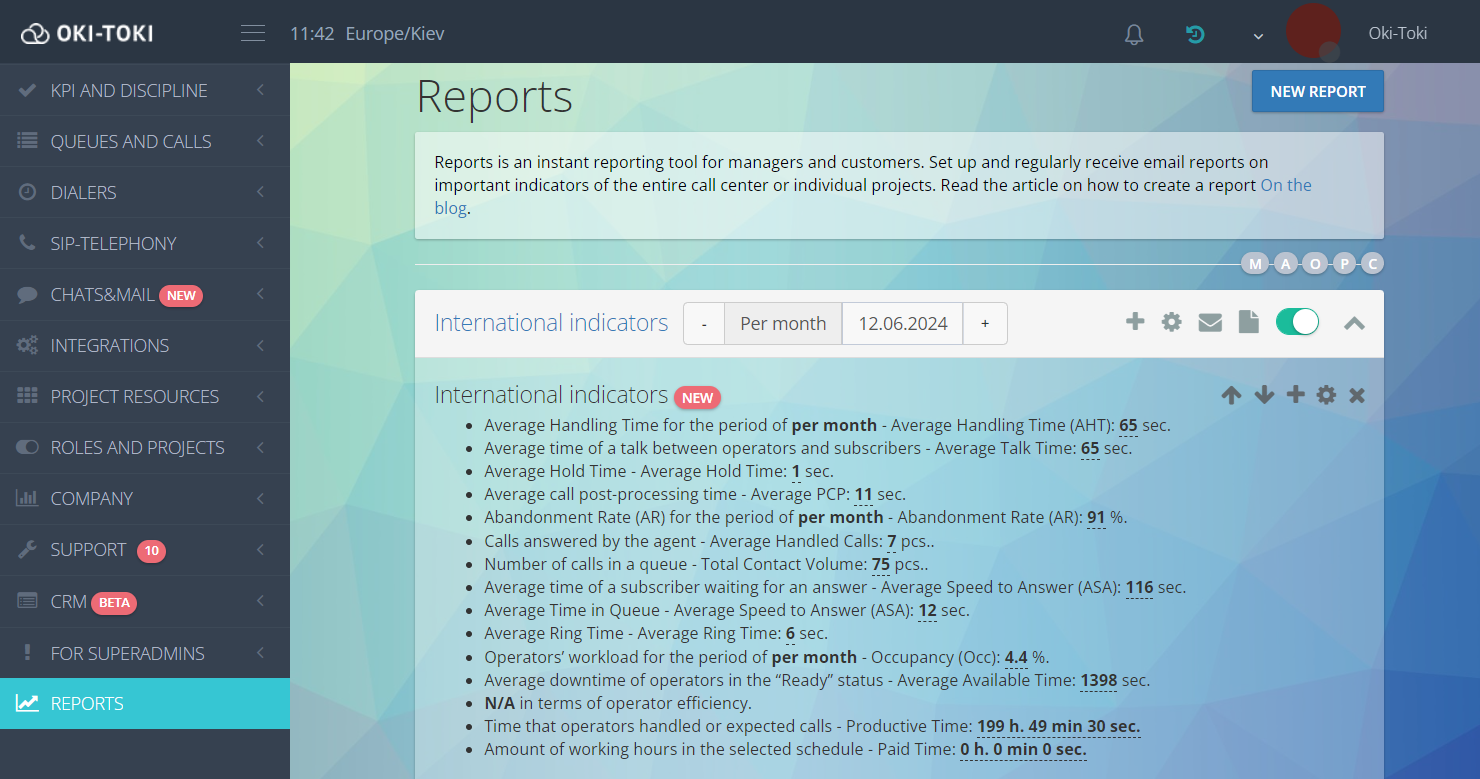
Outsourced contact centers have more advanced analytics and reporting tools that enable companies to track and analyze their customer service performance more effectively. This can include reports on call wait time, call duration, the number of inquiries, and other metrics that can be used to identify issues and improve service quality.
Outsourced contact centers play an important role in improving customer service quality. They make it possible to reduce response and request handling times, increase agent qualifications, use modern technologies, lower customer service costs, expand service geography, and improve analytics and reporting. The decision to use outsourced contact-center services should be carefully considered and based on specific needs
How an outsourced contact center can help a business reduce staffing costs
An outsourced contact center can help a business reduce staffing costs through cost efficiency. In this section of the article, we’ll look at exactly how outsourcing can help your business cut staffing costs.
- Reducing recruitment and training costs
When a company decides to set up its own contact center, it needs to hire and train staff. This can be a very costly and time-consuming process. Contact center outsourcing makes it possible to reduce these costs, because the outsourcing company already has its own qualified employees who are ready to work.
- Reducing operating costs
Building an in-house contact center also involves operating costs. These may include expenses for equipment, software, communication systems, office rent, and more. Contact center outsourcing makes it possible to avoid these costs and save significant money.
- Optimizing resource use
Contact center outsourcing also enables a business to optimize the use of its resources. Instead of spending time and money on building and managing a contact center, the company can focus its efforts on its core business. This allows the business to concentrate on key tasks and use its resources more effectively.
- Flexibility and scalability
Contact center outsourcing also provides flexibility and scalability. The outsourcing company can provide the business with the required number of agents when needed, and reduce their number when the situation calls for it. This allows the business to adapt quickly to changing conditions and improve the efficiency of its resource use.Example from real-world practice:
Company ABC decided to build its own contact center for customer service, but faced high costs for hiring and training staff, purchasing equipment and software, as well as office rent. In addition, the company ran into management challenges in running the contact center and was unable to use its resources effectively. As a result, the company spent a lot of time and money on building and managing the contact center, which distracted it from its core business.
Later, Company ABC decided to turn to an outsourced contact center, which provided qualified agents, the necessary equipment and software, and also took over contact center management. Thanks to outsourcing, the company was able to save a great deal of time and money, and focus on its key tasks. In addition, the outsourced contact center was flexible and scalable, which allowed the company to quickly adapt to changing conditions and improve the efficiency of its resource use.
So, an outsourced contact center can help a business cut staffing costs by providing qualified agents, a cost-effective solution, flexibility and scalability, as well as optimized resource use. Before deciding to build their own contact center, companies should consider all the benefits of outsourcing in order to make the right choice and save significant money.
How an Outsourced Contact Center Helps Increase Sales and Improve Customer Relationships
An outsourced contact center is one of the most effective ways to increase sales and improve customer relationships. In this section, we will look at exactly how an outsourced contact center helps achieve these goals.
Increasing Sales
An outsourced contact center can increase sales thanks to the following factors:
- Agent competence. Agents in outsourced contact centers undergo training and coaching, which enables them to sell products and services effectively. They are also familiar with best sales practices and can apply them to improve performance.
- Faster response times. Outsourced contact centers usually have greater capacity and can respond to customer inquiries quickly, which increases the likelihood of a sale.
- Broader reach. Outsourced contact centers can operate 24/7 and in multiple languages, making it possible to reach a larger number of potential customers.
Example: Company X hired an outsourced contact center to handle its calls and increase sales volume. During the first month of operation, the outsourced contact center helped Company X increase sales by 20%.
- Improving customer relationships
An outsourced contact center can improve customer relationships thanks to the following factors:
- High availability. Outsourced contact centers can operate 24/7, allowing customers to get in touch at any time of day or night.
- Professional service. Agents in outsourced contact centers undergo training and coaching, enabling them to serve customers at a professional level and meet their needs.
- Higher customer satisfaction. Outsourced contact centers can work based on the Net Promoter Score (NPS) methodology, which makes it possible to measure customer satisfaction and improve their experience with the company. Customer surveys conducted by an outsourced contact center make it possible to identify issues and weaknesses in the company’s operations and improve service quality.
Example: Company Y hired an outsourced contact center to improve customer relationships. By using the NPS methodology and conducting customer surveys, Company Y increased customer satisfaction by 25% and cut the number of complaints about service quality in half.
In the end, an outsourced contact center helps increase sales and improve customer relationships through professional service, high availability, and quick responses to customer inquiries. It can also use the NPS methodology to measure customer satisfaction and improve their experience with the company. Companies that choose an outsourced contact center can gain significant advantages in their operations and improve key business metrics.
Benefits of using cloud technologies in an outsourced contact center
Cloud technologies are a great solution for contact centers looking to improve productivity and reduce costs. Here are some of the main benefits of using cloud technologies in an outsourced contact center:
- Flexibility and scalability
Cloud technologies make it easy to scale and resize your infrastructure to match your business’s changing needs. You can quickly increase or decrease the number of agents connected to the contact center depending on changes in call volume.
- Cost reduction
With cloud technologies, you can avoid additional expenses for purchasing, upgrading, and maintaining hardware and software. You can also save money by not paying for services you do not need at the moment.
- Improved accessibility
Cloud technologies allow agents to work from anywhere in the world. This improves contact center accessibility for customers, especially when the contact center operates in a different time zone.
- Improved flexibility and productivity
Cloud technologies also improve agents’ flexibility and productivity. Agents can work from anywhere in the world using any device. This enables agents to be more flexible and efficient, improving customer service quality.
- Security
Cloud technologies ensure data security by storing it on remote servers. You can be confident that your contact center data is safe and protected from unauthorized access.
Real-world example: XYZ company decided to use cloud technologies for its outsourced contact center and was able to significantly cut costs. It no longer had to purchase and maintain additional equipment and software, which reduced IT infrastructure expenses. It also easily scaled its infrastructure by adding new agents as business needs changed, while improving customer service quality thanks to better agent accessibility and productivity.
In addition, XYZ company improved the security of its contact center by using cloud technologies that provide protection from unauthorized access and secure data storage on remote servers.
In short, using cloud technologies can significantly improve the performance of an outsourced contact center by providing flexibility and scalability, cost reduction, improved accessibility, greater agent flexibility and productivity, and enhanced data security. If you want to improve your contact center’s efficiency, turn to cloud technologies and start using them today!
How an outsourced contact center can help companies work with customers from different countries and cultures
An outsourced contact center can help companies work effectively with customers from different countries and cultures thanks to the following factors:
- Multilingual support. Outsourced contact centers provide support in multiple languages, allowing companies to communicate with customers in their native language and eliminate language barriers. The presence of interpreters and multilingual staff in an outsourced contact center makes it possible to process requests quickly and accurately in different languages and deliver high-quality customer service.
- Understanding cultural nuances. Companies that work with customers from different countries and cultures need to take into account many nuances related to cultural differences and customer behavior. An outsourced contact center with experience working with customers from different countries can help a company understand cultural specifics and learn how to interact effectively with customers from different countries and cultures.
- Flexibility and scalability. An outsourced contact center allows companies to respond flexibly to changes in demand and scale operations based on customer needs. Having a large pool of remote staff makes it possible to quickly increase headcount and provide high-quality customer service across different time zones.
- Cost reduction. An outsourced contact center allows companies to reduce customer service costs by optimizing processes and lowering the workload on in-house staff. In addition, customer service costs can be reduced by using scalable cloud solutions that help optimize spending on hardware and software.
Specific examples of successful outsourced contact center operations when working with customers from different countries and cultures confirm the effectiveness of this approach. For example, Airbnb successfully works with outsourced contact centers in different countries to provide support in multiple languages and take cultural specifics into account when working with customers.
Another example is TransferWise, which works with outsourced contact centers in different countries to provide support in many languages and give customers the opportunity to communicate with staff in their native language. This approach allows the company to work effectively with customers from different countries and cultures while delivering high-quality service.
Another example is Shopify, which partners with outsourced contact centers in different countries to provide support in multiple languages and account for cultural differences. Thanks to this approach, the company successfully works with customers from different countries and cultures while delivering high-quality service.
Using outsourced contact centers allows companies to work effectively with customers from different countries and cultures, delivering high-quality service and taking into account many factors related to cultural and language differences. Companies can leverage the experience and expertise of outsourced contact centers to optimize processes and reduce customer service costs, helping them become more competitive in the global market.
What typical challenges arise when working with an outsourced contact center, and how can they be solved
When working with an outsourced contact center, there are common issues that can become serious obstacles on the road to business success. Below are some of these issues and ways to solve them.
- Insufficient customer service quality. One of the main challenges that arise when working with an outsourced contact center is poor customer service quality. This can be caused by underprepared contact center agents, lack of access to the necessary information, and technical issues. To solve this problem, it is necessary to establish service quality criteria, carry out regular contact center performance monitoring, and provide agent training.
- Delays in call handling. Call response time is one of the most important contact center performance metrics. Delays in call handling can lead to customer loss and lower satisfaction levels. To solve this problem, it is necessary to ensure a sufficient number of agents in the contact center, monitor call response times, and set goals for improving operational efficiency.
- Language issues. Outsourcing a contact center can lead to language-related challenges, especially if the outsourcing is done to another country. Contact center agents may have a limited vocabulary and may not understand the nuances of the customer’s language. To solve this problem, it is necessary to provide training in the customer’s language, use machine translation technologies, and establish clear communication standards.
- Information technology issues. Contact center operations are impossible without modern information technologies. Problems with software, network connections, and hardware can seriously reduce contact center efficiency. To solve IT issues, it is necessary to carry out regular maintenance and software and hardware updates, use monitoring and quality management systems, and resolve network connectivity issues with the help of professional IT specialists.
- Failure to meet customer standards and requirements. Every customer has their own unique requirements and expectations for contact center performance. Failure to meet these requirements can lead to customer loss and damage to the company’s reputation. To solve this problem, it is necessary to establish clear customer service standards, monitor customer satisfaction, and analyze data to improve contact center performance quality.
- Privacy and security issues. Contact centers handle a large amount of confidential information, including customers’ personal data and payment data. Privacy and security issues can lead to data leaks and serious legal problems. To solve this problem, it is necessary to ensure a high level of data security, use encryption and other information protection methods, and train agents and contact center staff on data security and privacy matters.
Overall, when working with an outsourced contact center, a range of issues may arise, but they can be successfully resolved through proper contact center organization, staff training, the use of modern technologies, and quality control of operations.
The Specifics of Outsourced Contact Center Work Across Different Business Sectors
Outsourced contact centers are centers that specialize in providing services for handling calls, emails, chats, other forms of communication, and customer interaction. They can be used across different business sectors, and each sector has its own specific contact center requirements.
- Banking
In banking, an outsourced contact center is an integral part of customer service. The contact center handles a large volume of calls from customers with a wide range of questions, from simple bank card operations to complex financial transactions. Contact center agents must have a strong understanding of the bank’s products and services, as well as knowledge of the legal side of banking operations.
- Telecommunications
In telecommunications, the contact center plays a key role in service delivery and in maintaining communication with customers. Contact centers can handle calls and messages from customers with complaints about service quality, provide information about new products, and offer technical support. Contact center work in this sector requires strong technical training and an understanding of how communication networks operate.
- Retail
In retail, contact centers play an important role in customer interaction; they can handle calls and messages from customers with complaints about product quality, take orders, and provide consultations. The contact center must have a solid understanding of the store’s products and services, as well as access to up-to-date information about stock availability.
- Healthcare
In healthcare, contact centers are used to handle calls from patients, schedule appointments and consultations, and ensure a quick response to customer requests in the event of urgent medical situations. Contact center agents must have a strong knowledge of medicine and medical equipment, as well as a high level of empathy and an understanding of patients’ needs.
- Tourism
In tourism, contact centers are used to provide information about travel services, book tickets and hotels, and resolve questions and issues that arise during a trip. Contact center agents must pay attention to detail and have a strong knowledge of travel destinations and services.It is important to note that each industry has its own slang and widely used terms that are applied in contact center work. To ensure an outsourced contact center operates effectively across different business sectors, contact center agents must be well trained and have a deep understanding of the specifics of work within a particular industry.In conclusion, to ensure the effective operation of an outsourced contact center across different business sectors, it is necessary to take into account the specific characteristics of each industry and ensure a high level of training for contact center employees. Only then can a high level of customer service, customer satisfaction, and improved business efficiency be achieved.
How Can an Outsourced Contact Center Help Companies Reduce Customer Churn
An outsourced contact center can help companies reduce customer churn. This is made possible by a range of benefits that outsourcing provides:
- 24/7 support: outsourced contact centers operate around the clock, which means companies can provide their customers with 24/7 support, which in turn can lead to lower customer churn.
- Shorter waiting times: long waits for an answer to a question or a problem resolution are one of the main causes of customer dissatisfaction and can lead to churn. Outsourced contact centers give customers quick access to support, reducing waiting times and increasing customer satisfaction.
- Cost savings: hiring, training, and maintaining an in-house contact center can be very expensive for companies. Outsourcing a contact center can significantly reduce costs, especially for small and medium-sized businesses.
- Improved service quality: outsourced contact centers specialize in providing support services and have experienced employees who can deliver high-quality service. This can improve the company’s image and increase customer loyalty.
Example: Company “XYZ” decided to outsource its contact center, and this led to a 30% reduction in customer churn. Outsourcing enabled the company to provide round-the-clock support, shorten waiting times, and improve service quality, which resulted in higher customer loyalty.
Case: Company “ABC” reduced contact center costs by 50% by outsourcing it. This allowed the company to invest in other areas of the business while still delivering high-quality service to customers.
In conclusion, outsourcing a contact center is a beneficial solution for companies that want to improve the level of service they provide to customers, reduce costs, and lower customer churn. However, when choosing an outsourced contact center, companies must make sure that the selected contact center meets their requirements, has experienced employees, and has the necessary technology to deliver high-quality customer service.It is also worth noting that outsourcing a contact center should not replace the company’s internal efforts to improve service and manage the customer experience. Companies need to work on continuously improving their products and services, as well as refining customer service processes, to reduce the likelihood of customer churn in the future.The use of outsourced contact centers is an integral part of modern business, especially for companies that want to remain competitive and successful in the market. Given the advantages and practical examples mentioned above, companies can decide to outsource their contact center and improve the level of customer service.
How an outsourced contact center can help companies improve their reputation and increase customer loyalty
An outsourced contact center is an effective tool for improving a company’s reputation and increasing customer loyalty. Contact centers operating on an outsourced basis provide inbound and outbound call, chat, and email handling services on behalf of the company. Here are several ways an outsourced contact center can help companies improve their reputation and increase customer loyalty.
- Improving customer service quality
Contact centers operating on an outsourced basis specialize in customer service and can provide highly qualified agents who are familiar with the company’s products and services. The company, in turn, can focus on its core business and avoid spending time training employees to handle calls and other types of inquiries. As a result, customers receive faster and better service, which increases their satisfaction and loyalty to the company.
- Reducing wait times
An outsourced contact center can also help companies reduce customer wait times. Contact center agents can handle a larger volume of calls, chats, and emails than in-house staff, allowing them to respond to customer requests more quickly. In addition, contact centers can provide 24/7 support, which improves accessibility for customers.
- Reducing customer service costs
An outsourced contact center can also help companies lower customer service costs. Contact centers operating on an outsourced basis can provide services at a lower cost than the expenses involved in training and maintaining in-house staff. In addition, contact centers can use modern technologies and tools to increase efficiency and optimize workflows, which also reduces customer service costs.
- Improving data quality
Contact centers operating on an outsourced basis can provide additional services, such as data analysis and processing, helping companies collect and analyze information about customers and their needs. This, in turn, enables companies to improve the quality of their products and services, set up more effective communication with customers, and increase their loyalty.
- Improving the company’s image
An outsourced contact center can help companies improve their image in the eyes of customers. Providing high-quality customer service and increasing accessibility for customers can improve how the company is perceived and strengthen its reputation. In addition, the use of modern technologies and tools provided by outsourced contact centers can also contribute to improving the company’s image.In summary, an outsourced contact center can help companies improve their reputation and increase customer loyalty by providing high-quality customer service, reducing wait times, lowering customer service costs, improving data quality, and strengthening the company’s image. However, before choosing an outsourced contact center, a company should carefully analyze its customers’ needs and select the most suitable partner to work in this area.
What requirements should be placed on outsourced contact center staff
Outsourced contact center staff play a key role in delivering high-quality customer service. To succeed in this area, certain requirements must be set for the team.
- Professional skills and work experience
Contact center staff must have professional skills and experience in customer service. They should know how to communicate with customers, solve problems, and provide the necessary information. Experience in this area makes it possible to adapt quickly to changing situations and effectively resolve customer issues.
- Communication skills
Communication skills play an important role in the work of contact center staff. They must have excellent speaking and listening skills in order to understand customers’ needs and problems. It is also important to be able to express ideas clearly and communicate information.
- Product and service knowledge
Contact center staff must know the product or service they represent well. This helps provide customers with accurate and timely information. It is also important to be able to answer common questions and help customers work through any issues that arise.
- Ability to work under stress
Working in a contact center can be very demanding and require the ability to perform under stress. Contact center staff must be able to manage their emotions effectively and stay calm, even when dealing with difficult customers or challenging questions.
- Ability to work in a team
Contact center staff work as a team and must be able to interact effectively with colleagues. This helps improve the quality of customer service and quickly resolve issues as they arise. It is also important to be able to share knowledge and experience in order to raise the professional level of the entire team.
- Technical knowledge
Modern contact centers use various software and technical equipment, such as CRM systems, IP telephony, and more. Contact center staff must have the necessary technical knowledge to work effectively with this equipment and software tools.
- Motivation and initiative
Contact center staff must show motivation and initiative in their work. They should strive for continuous improvement in customer service quality, actively participate in company life, and offer new ideas for optimizing workflows.
- Willingness to learn
Contact centers work with clients across different industries and business sectors, so staff must be prepared for continuous learning and for improving their knowledge and skills. Training helps staff handle new challenges and requirements that may arise in their work.
Therefore, outsourced contact center staff should have professional skills, communication skills, product and service knowledge, the ability to work under stress, teamwork skills, technical knowledge, motivation and initiative, and be ready for continuous learning. All these requirements help ensure high-quality customer service and improve the overall efficiency of the contact center.
How an outsourced contact center can help companies collect customer data and use it to improve products and services
An outsourced contact center can help companies collect customer data and use it to improve products and services. Below are several ways a contact center can use to gather customer data and make the most effective use of it:
- Analysis of customer inquiry data
Contact centers have access to a large volume of customer inquiry data. Using modern data analysis tools, it is possible to identify the most common issues customers face, as well as determine patterns and trends related to the company’s products or services. Such analysis can help companies understand customer needs and preferences and improve their products and services.
- Monitoring customer feedback
An outsourced contact center can help companies monitor customer feedback. Continuous monitoring enables companies to respond to customer feedback in real time, answer questions, and resolve customer issues. In addition, feedback can provide valuable insights into what customers think about the company’s products and services, which can be used to improve products and services.
- Social media analysis
Social media provides a huge amount of information about customers and their needs. An outsourced contact center can analyze social media data to identify the issues customers face and understand how the company can improve its products and services. In addition, social media analysis can help companies identify the most popular products and services, which can help the company focus on the most important areas of development.
- Using a CRM system
A CRM system can help companies collect and analyze customer data. This data may include contact information, purchase history, customer preferences, and much more. An outsourced contact center can help companies collect customer data and use it to improve products and services by using a CRM system. The system helps improve call center operations, optimize call handling, and increase customer service quality. In addition, analyzing the data collected in the CRM system helps the company learn more about its customers and their needs.
- Staff training
Training contact center staff can help companies collect customer data and use it to improve products and services. Training can include not only technical skills, but also the ability to communicate effectively with customers. In addition, staff training enables the contact center to better understand customer needs and improve service quality.
- Real-Time Data Collection
An outsourced contact center can help companies collect customer data in real time. This allows companies to access up-to-date information about customers and their needs, which can be used to improve products and services. Real-time data collection also enables the contact center to respond quickly to changes in customer needs and adapt rapidly to a changing market environment.
- Using Big Data
Big Data refers to large volumes of data that can be used for analysis and trend identification. An outsourced contact center can help companies collect and analyze large amounts of customer data, enabling companies to gain valuable insights into what customers think about the company’s products and services. This can help the company improve its products and services and better understand customer needs.
To sum up, using an outsourced contact center can help companies collect customer data and use it to improve products and services. A contact center can use various methods such as analyzing customer inquiries, monitoring customer feedback, social media analysis, using a CRM system, staff training, real-time data collection, and using Big Data. Companies can use the data obtained from the contact center to optimize their products and services and increase customer satisfaction. With the proper use of data collected by the contact center, companies can improve their reputation and competitiveness in the market.
How an Outsourced Contact Center Can Help Companies Implement a Multichannel Customer Communication Strategy
An outsourced contact center can help companies implement a multichannel customer communication strategy by providing a wide range of communication channels and high-quality service. Let’s look at a few advantages such a contact center can offer:
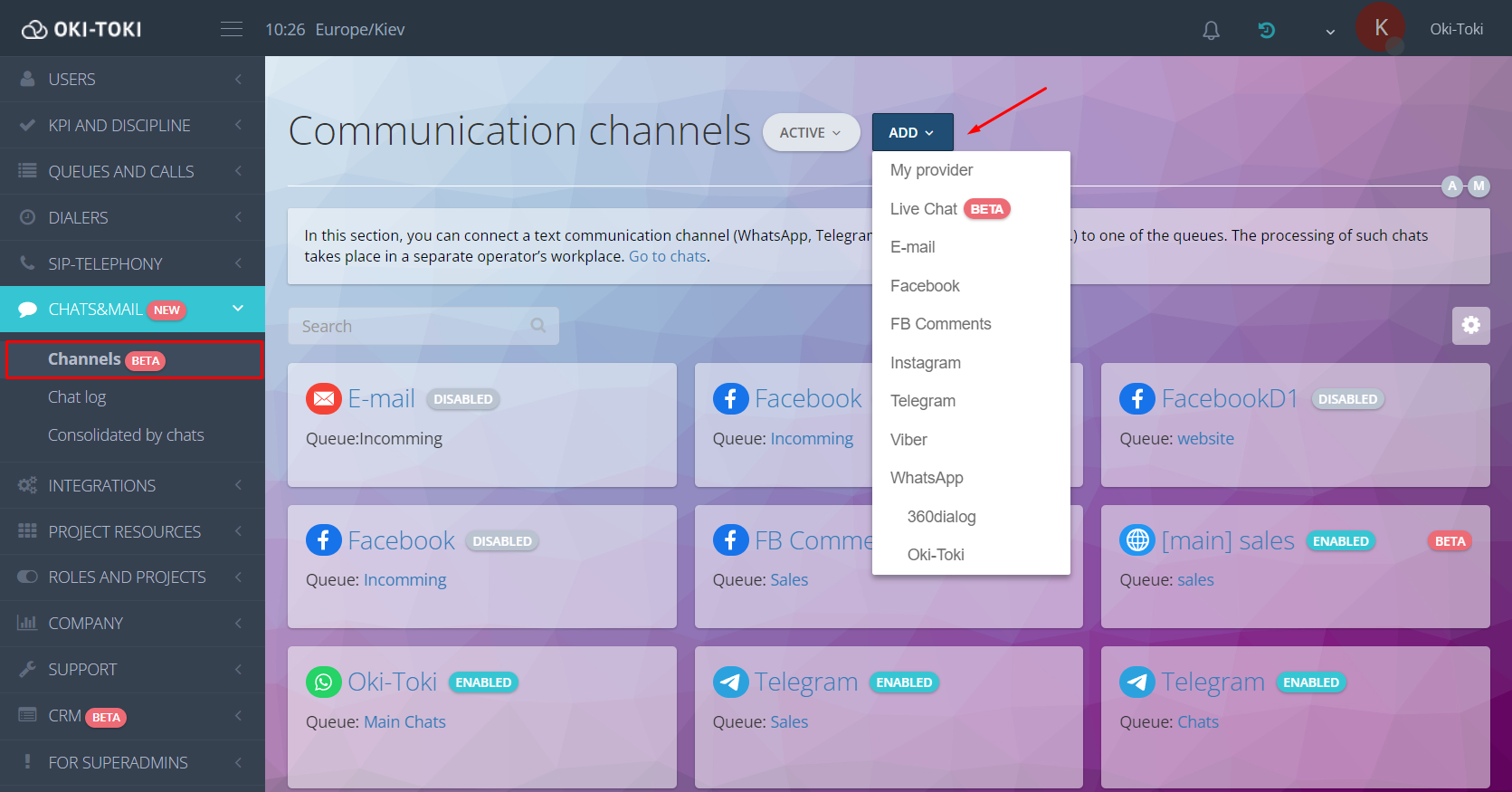
- Variety of communication channels. Outsourced contact centers typically provide access to various communication channels such as phone, email, chats, social media, and more. This means customers can reach the company through whichever channel is most convenient for them, improving service convenience and customer satisfaction.
- Scalability flexibility. Outsourced contact centers typically offer the ability to scale support quickly depending on the company’s needs. This makes it possible to respond rapidly to changes in demand and reduce the costs of maintaining in-house call centers.
- Cost savings on infrastructure and equipment. An outsourced contact center gives a company access to modern technologies and equipment without requiring investment in its own infrastructure. This helps reduce customer service costs.
- High service quality. Outsourced contact centers usually have highly qualified agents and a professional approach to customer service. This helps increase customer satisfaction and improve the company’s reputation.
- Analytics and reporting. An outsourced contact center usually gives a company access to analytical reports on call center performance, such as the number of calls, call duration, customer satisfaction metrics, and more. This helps the company assess performance and take steps to improve service.
- Increased competitiveness. Implementing a multichannel customer communication strategy supported by an outsourced contact center enables a company to be more flexible and responsive to market and customer demands. This helps the company strengthen its position in the market and attract new customers.
A successful example of implementing a multichannel customer communication strategy is Airbnb, which has achieved major popularity and revenue growth thanks to a wide range of customer communication channels. The company gives customers the option to contact a call center agent by phone or email, and also offers a chatbot in Facebook Messenger and support on Twitter.
In conclusion, an outsourced contact center is an effective tool for implementing a multichannel customer communication strategy. It gives a company access to a variety of communication channels, ensures high-quality service, saves on infrastructure and equipment costs, and makes it possible to scale support quickly depending on the company’s needs.
How an outsourced contact center can help companies comply with privacy regulations and ensure customer data security
An outsourced contact center can provide significant help to companies in complying with privacy regulations and ensuring customer data security. In this section, we will look at several ways an outsourced contact center can achieve this goal.
Expertise and experience
One of the main advantages of an outsourced contact center is its experience and expertise in data security and privacy. These contact centers have experience working with different clients and industries, which enables them to better understand the risks and limitations in data security. Moreover, outsourced contact centers invest significant resources in training their employees and ensuring compliance with all required standards and regulatory requirements, such as PCI DSS, HIPAA, and others.
Modern technologiesOutsourcing contact centers also use modern technologies to ensure data security. They provide data encryption, protection against unauthorized access, and monitoring of all transactions. What is more, they regularly conduct penetration testing and other security checks to make sure that all systems and processes are working properly and meet security standards.
Business Process Optimization
Outsourcing contact centers can also help companies optimize their business processes, which can improve data security. For example, contact centers can help companies streamline customer authentication procedures to prevent unauthorized access to their data. In addition, contact centers can help companies automate data collection and processing, which can reduce the risk of errors and data leaks.
Case Studies from Practice
Examples of cases where an outsourcing contact center helped companies comply with privacy regulations and ensure customer data security can be useful for our readers.
Example 1: XYZ, a company specializing in financial services, turned to an outsourcing contact center to ensure the security of its customer data. The contact center provided XYZ with the expertise and technology needed to ensure data security and comply with all relevant regulatory requirements. In addition, the contact center helped XYZ optimize its business processes, including customer authentication procedures and transaction monitoring. As a result, XYZ was able to improve its data security and increase customer trust.
Example 2: ABC, an e-commerce company, turned to an outsourcing contact center to ensure the security of its customer data and comply with PCI DSS standards. The contact center provided ABC with modern technologies, including data encryption and transaction monitoring. In addition, the contact center helped ABC optimize its business processes, including payment processing procedures. As a result, ABC was able to improve its data security, meet PCI DSS standards, and reduce the risk of fraud.
So, an outsourcing contact center can help companies comply with privacy regulations and ensure customer data security by providing expertise and experience, using modern technologies, optimizing business processes, and ensuring compliance with all necessary standards and regulatory requirements. Real-world cases show that an outsourcing contact center can be an effective tool for ensuring data security and improving customer trust.
How an outsourcing contact center can help companies reduce response times to customer requests and improve issue resolution times
An outsourcing contact center is an effective tool for companies that want to reduce response times to customer requests and improve issue resolution times. In this section, we will look at how an outsourcing contact center can help with this.
- Increased availability and responsiveness
One of the main advantages of outsourcing a contact center is increased availability and responsiveness. When using an in-house contact center, companies may face limitations in staff, equipment, and time. By contrast, an outsourcing contact center can provide a wide range of capabilities and infrastructure to improve customer service and reduce response wait times.
- Resource Optimization
Another advantage of outsourcing a contact center is resource optimization. Companies that use in-house contact centers can spend a significant amount of resources on staff training, support and management, as well as on equipment upgrades and maintenance. An outsourced contact center can provide all of these resources, helping companies reduce contact center costs, improve service quality, and speed up customer issue resolution.
- Improving Service Quality
Another advantage of outsourcing a contact center is improved service quality. Contact centers that specialize in providing outsourcing services usually have highly qualified staff with extensive experience working with customers and various types of inquiries. In addition, they have access to advanced technologies and software, which enables them to handle customer requests quickly and efficiently.
- Faster Issue Resolution
Another advantage of outsourcing a contact center is faster issue resolution. Outsourced contact centers usually have large teams of specialists with experience in different fields, and can provide round-the-clock customer service. This makes it possible to resolve customer issues faster and more efficiently, which in turn increases customer satisfaction and improves the company’s reputation.
- Expanding the Customer Base
Another advantage of outsourcing a contact center is the ability to expand the customer base. Contact centers that provide outsourcing services usually have the capacity to handle a large volume of customer inquiries and interactions, which can lead to more sales and a broader customer base. This can help a company increase revenue and enter new markets.
- Reducing Risks
Another advantage of outsourcing a contact center is risk reduction. Contact centers that provide outsourcing services have experience working with customers and can offer companies reliable workflows and best practices. In addition, companies can use outsourcing services to temporarily increase inquiry volume or temporarily replace their contact center in the event of unforeseen circumstances such as natural disasters, technical failures, and more.Overall, an outsourced contact center can help companies reduce customer request response times and improve issue resolution times, while also optimizing resources and increasing availability and responsiveness. Companies can use contact center outsourcing services to improve service quality, expand their customer base, and reduce risks.
Conclusion
An outsourced contact center is an effective way to reduce staffing costs and improve customer service quality. Companies can choose the services they need, paying only for those and avoiding expenses on unused ones. The criteria for choosing an outsourced contact center are experience, pricing, reputation, and service quality. The differences between an in-house and an outsourced contact center have their own advantages and disadvantages. The role of an outsourced contact center in improving customer service quality is clear, and the use of cloud technologies helps expand a company’s capabilities. Privacy and customer data security standards must be strictly observed, and outsourced contact center staff must meet certain requirements.
Companies can use an outsourced contact center to collect customer data and analyze it in order to improve their products and services, as well as implement a multichannel customer communication strategy. Using an outsourced contact center can also help companies reduce customer churn and strengthen their reputation. Overall, an outsourced contact center is an effective tool for improving customer service quality and driving business efficiency.