Contents
1. Introduction to telemarketing: what it is and what problems it solves
2. Telemarketing tools: an overview of telephony, CRM systems, and other tools
3. Planning telemarketing campaigns: how to define the target audience, prepare a call script, and evaluate effectiveness
4. Training telemarketing agents: how to run training sessions and motivate employees
5. Methods for evaluating telemarketing effectiveness: which KPI to use to assess campaign results
6. Effective use of automation in telemarketing: how to automate processes, increase productivity, and reduce costs
7. Strategies to increase telemarketing effectiveness: how to improve customer service quality, boost conversion, and increase sales
8. Integrating telemarketing with other sales channels: how to use telemarketing alongside email marketing, social media, and other channels for maximum impact
Introduction to telemarketing: what it is and what problems it solves
Telemarketing is a sales method based on using phone calls to contact potential customers. It can be applied across a range of industries, from insurance and finance to retail and services. Telemarketing can be outbound, when agents call potential customers, or inbound, when customers call the contact center with questions.Telemarketing is a powerful sales tool that allows companies to reach a large number of potential customers in a short period of time. It can also be used to retain customers and upsell additional services and products.
The main tasks of telemarketing are:
- Lead generation
Telemarketing can be used to generate new leads. Agents can call based on databases, mailings or event invitations. This allows companies to increase the number of potential clients and expand their customer base.
- Converting potential clients into buyers
Telemarketing can be used to persuade potential clients to make a purchase. Agents can provide information about the product or service, answer customer questions, and convince them of the need to buy. This allows companies to increase conversion and sales volume.
- Customer retention
Telemarketing can be used to retain clients and sell additional services and products. Agents can contact customers to offer new products, inform them about new services, and provide information about current discounts and promotions. This allows companies to increase the average ticket and customer lifetime value.
- Conducting surveys and research
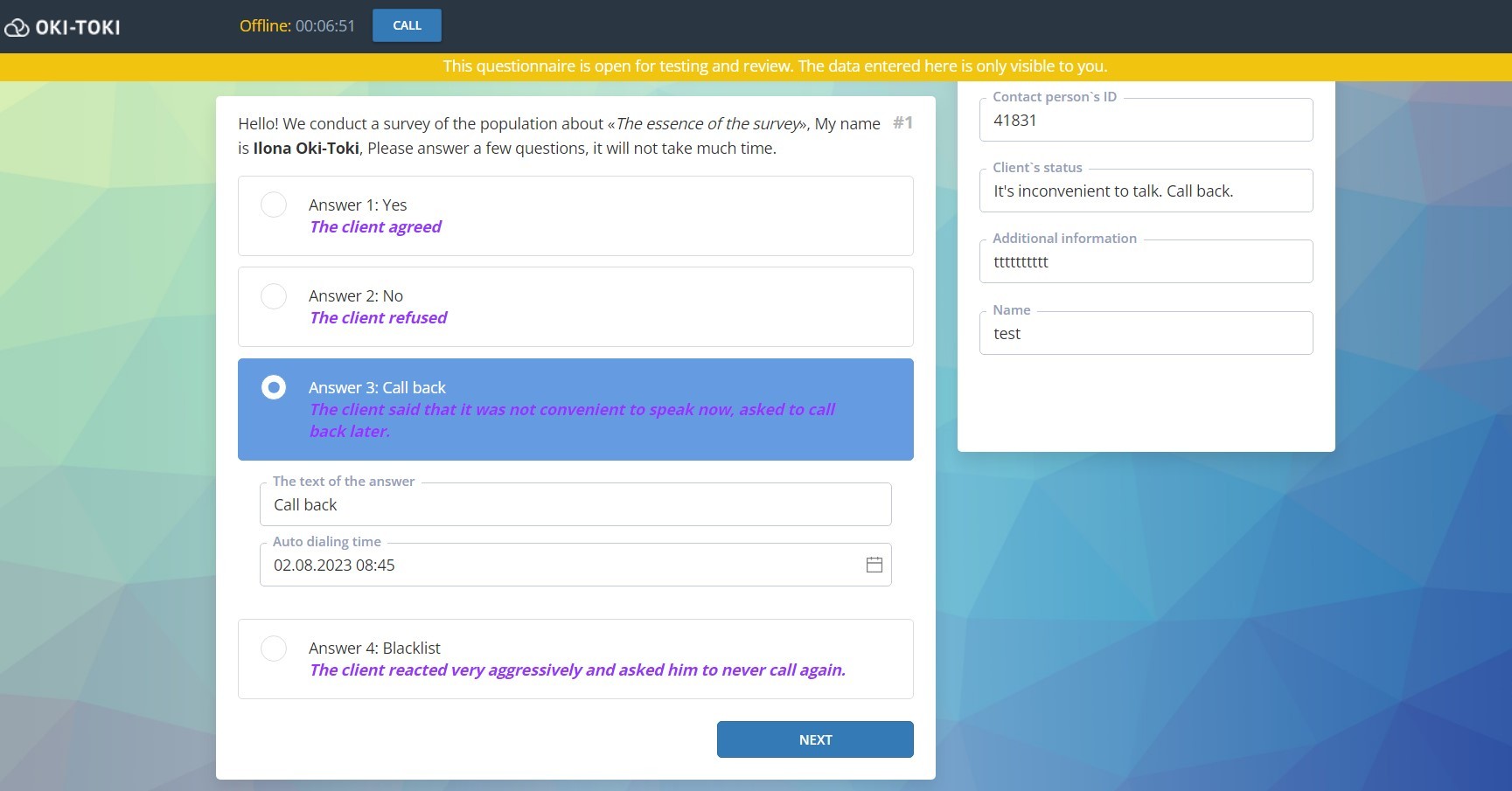
Telemarketing can be used to conduct surveys and research. Agents can ask customers questions to collect information about the product or service, customer satisfaction levels, preferences, and needs. This allows companies to improve their products and services, as well as better understand their audience.
- Working with advertising campaigns
Telemarketing can be used to work with advertising campaigns. Agents can contact customers who have shown interest in the advertising and provide additional information about the product or service. This helps increase the effectiveness of advertising campaigns and boost conversion.Example of successful telemarketing use – company X, which specializes in selling insurance services. The company created a database of potential clients and launched a calling campaign. Agents provided customers with information about the products, answered questions, and convinced them of the need to purchase insurance. This allowed the company to increase sales volume by 20% and increase the number of satisfied clients.Telemarketing is an important sales tool for call centers and contact centers. It allows companies to establish contact with a large number of potential clients, increase conversion and sales volume. However, for successful telemarketing work, it is necessary to properly select the target audience, carry out quality preparation for agents, and use modern technologies.
Telemarketing tools: a review of the capabilities of telephony, CRM systems and other tools
Telemarketing tools are an essential part of effective work for call centers, contact centers, sales departments, and their managers. In this section, we’ll review the capabilities of telephony, CRM systems, and other tools that will help improve the efficiency of customer interactions.
Telephony
Telephony is the primary tool used in call centers and contact centers to communicate with customers. Modern telephony can provide additional features such as call recording, call distribution among agents, voice menus, and auto attendants and more.It’s important to choose a phone system that fits your company’s needs. For example, if your company handles a high volume of inbound calls, it’s best to choose a system that offers the ability to automatically distribute calls among agents.
CRM Systems
CRM systems are an integral part of telemarketing because they make it possible to manage the customer base effectively and improve the efficiency of customer interactions. They offer many capabilities, such as:
- Collecting and storing customer data.
- Analyzing customer behavior and predicting future actions.
- Organizing information mailings and marketing campaigns.
- Managing sales and leads.
- Handling customer complaints and requests.
It’s important to choose a CRM system that fits your business needs and processes. For example, if your company works with a large number of customers, it’s best to choose a system that allows you to manage the customer base effectively and collect data on customer behavior.
Automated request processing systems
Automated request processing systems make it possible to handle customer requests efficiently, reducing response wait times and improving service quality. These systems can offer capabilities such as:
- Auto attendants. Auto attendants can automatically answer customer calls and messages. They can provide information about the company, products, and services, as well as route calls to agents.
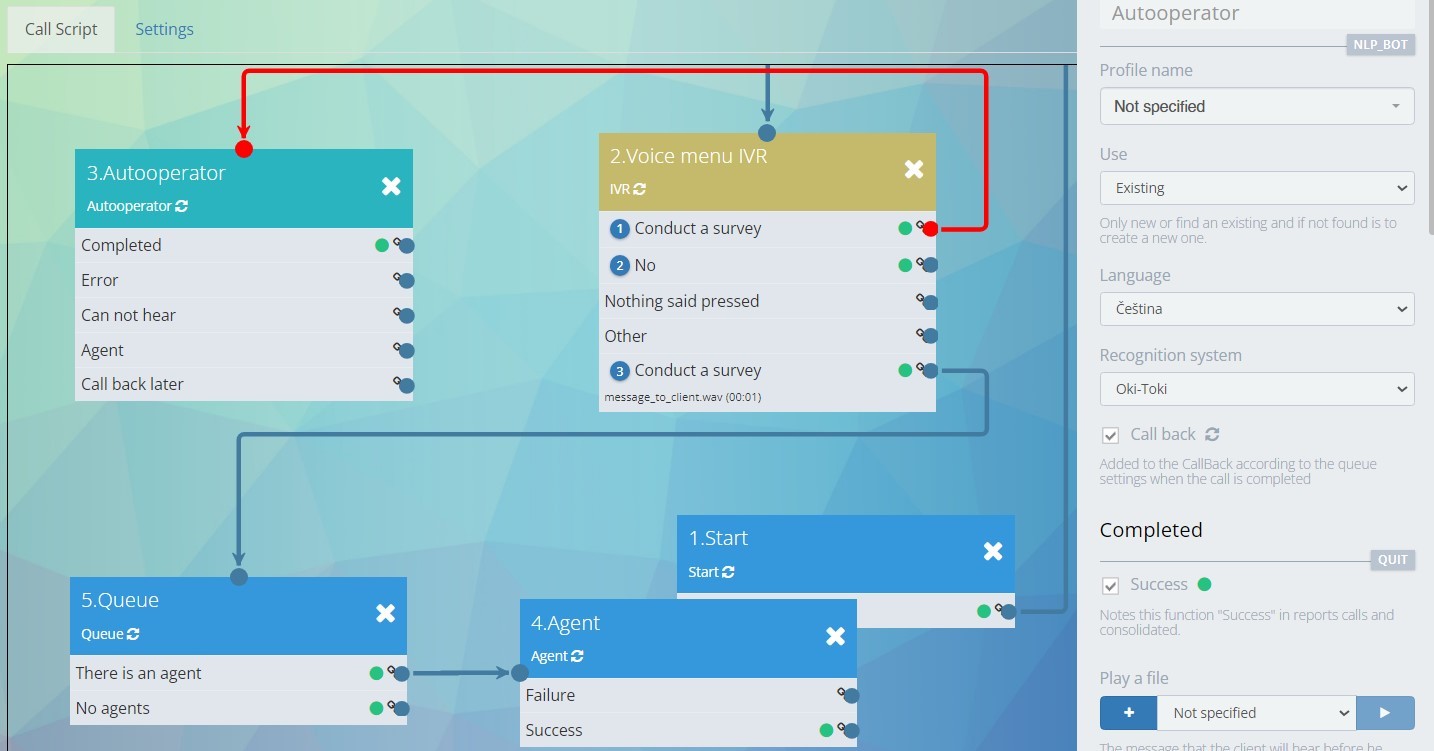
- Interactive voice menu. Interactive voice menu allows customers to choose the category they need and route them to the appropriate agent or automatically provide the information they are looking for.
- Chatbots. Chatbots can be used to automatically communicate with customers via messengers or on the company website. They can answer frequently asked questions, provide information about products and services, and collect customer data.
- Speech recognition systems. Speech recognition systems make it possible to automatically recognize the customer’s voice and redirect them to the appropriate agent or provide an automatic response.
- Automatic email processing. Automatic email processing makes it possible to handle incoming email requests and send responses automatically.
- Request management systems. Request management systems make it possible to automatically process customer requests, monitor request fulfillment deadlines, and improve call center efficiency.
Automatic request processing systems are an important tool in telemarketing that helps improve the request-handling process, increase call center efficiency, and improve customer satisfaction levels. They make it possible to automate request processing, speed up response times to customer questions, and improve service quality. Practical examples of using automatic request processing systems confirm their effectiveness and real-world applicability. When choosing automatic request processing systems, it is necessary to consider the company’s goals and needs, the budget, technical capabilities, and staff competencies. However, it is important to remember that automation should not completely replace the human factor, since interaction with a live agent may be necessary to resolve complex tasks and build customer loyalty. Therefore, the right combination of automated systems and qualified employees can help achieve better results in telemarketing.
CTI Integration
CTI integration is the integration of telephony with the CRM system, which makes it possible to automatically open the customer’s profile when a call is received and access the history of previous interactions, improving agent efficiency and increasing service quality.
Data analysis
Data analysis is an important tool for increasing contact-center efficiency. With the help of analytics, you can identify weaknesses and improve customer service processes. For example, you can analyze wait time, call duration, find out which customer questions are asked most often, and more.
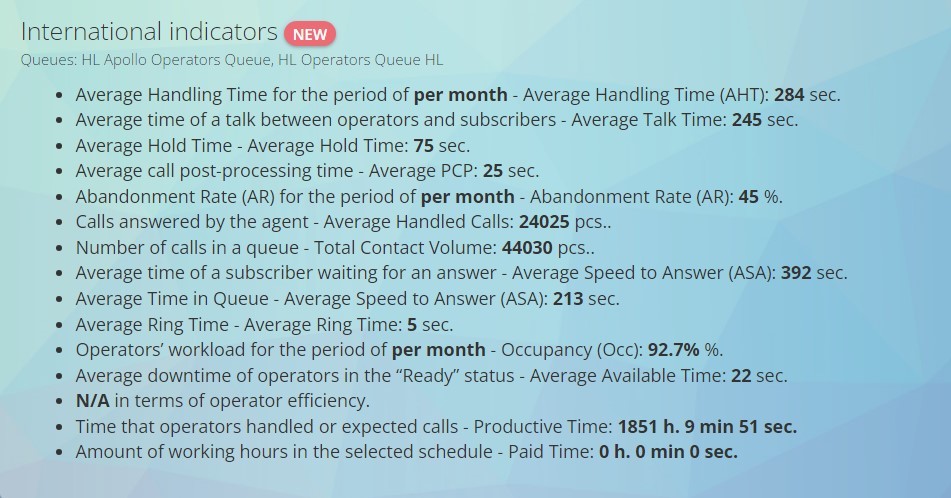
Using telemarketing tools helps improve the efficiency of call centers and contact centers, increasing customer service quality and reducing request handling time. Choosing the right tools is a key factor for success. When selecting tools, it is necessary to focus on the company’s needs and business processes. Monitoring and data analysis are also important for continuously improving workflows and increasing customer service quality.
Planning telemarketing campaigns: how to define the target audience, prepare a call script, and evaluate effectiveness
Telemarketing campaign planning is the process of developing and executing a strategy aimed at attracting new customers or increasing sales to existing ones. Effective telemarketing campaign planning includes several steps, from defining the target audience and preparing the call script to evaluating its effectiveness.
- Define the target audience
The first step in planning a telemarketing campaign is defining the target audience. This helps reduce advertising costs by focusing on the most promising customers. To define the target audience, factors such as age, gender, geographic location, interests, and behavioral factors need to be taken into account.Example: If your company is in the car sales business, the target audience would be people over 21 years old with a driver’s license who are interested in buying a new car.
- Prepare the call script
The next step is to prepare the call script. The call script is the text that agents use to communicate with potential customers during the call. It should be written in a way that captures the customer’s attention, builds interest, and encourages them to make a purchase.
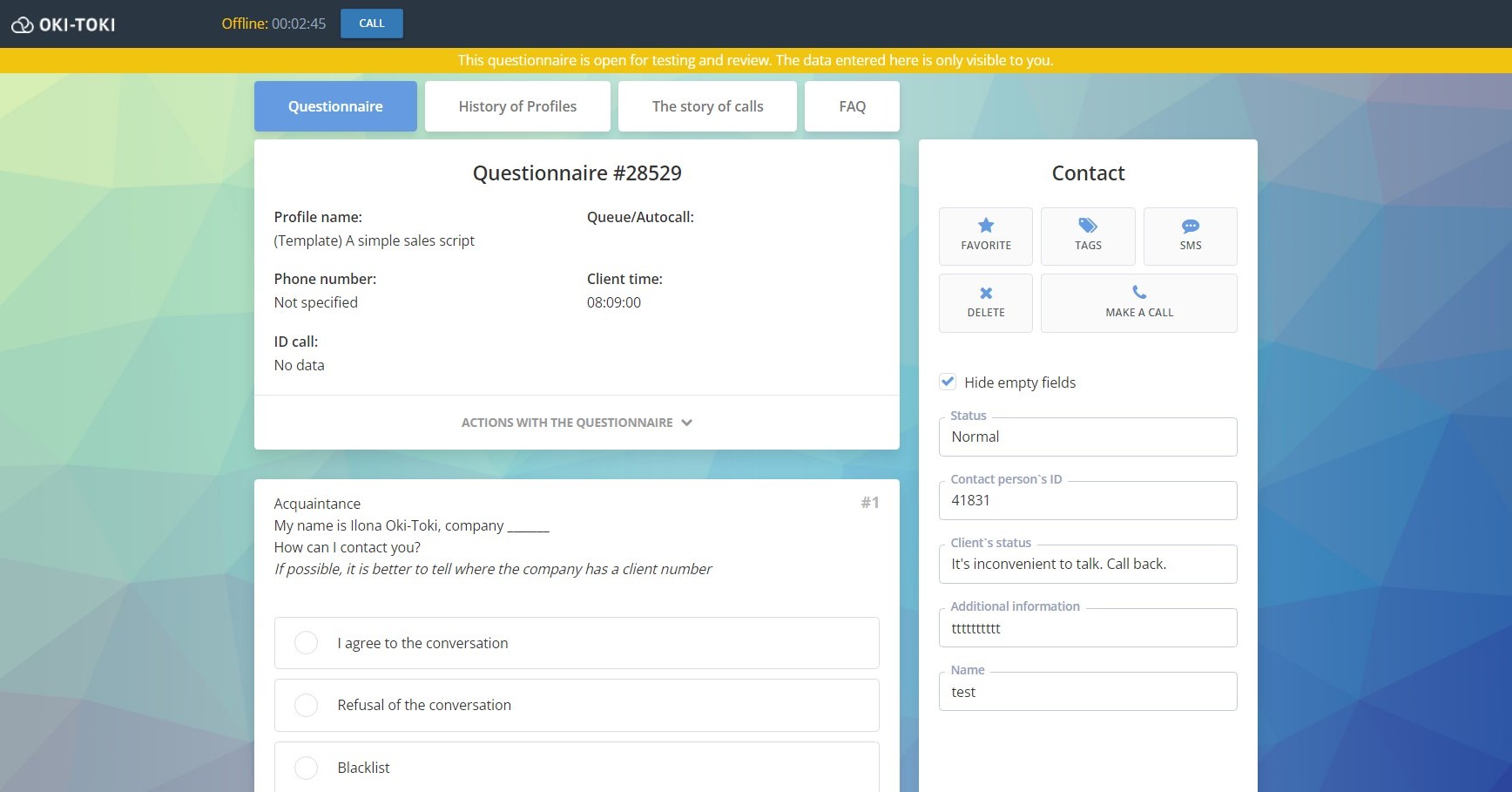
Example: When selling cars, the call script should include information about new models and the benefits of a car’s technical features, as well as the option to take a free test drive.
- Effectiveness evaluation
Evaluating effectiveness is an integral part of planning a telemarketing campaign. It makes it possible to measure campaign results, identify strengths and weaknesses, and make adjustments to the promotion strategy. To evaluate effectiveness, metrics such as the number of calls, the number of closed deals, customer acquisition cost, and average ticket size are used.Example: When selling cars, you can evaluate the effectiveness of a telemarketing campaign using the following metrics: number of calls — 1000, number of closed deals — 50, customer acquisition cost — 30 USD, average ticket size — 15,000 USD. Based on this data, you can calculate that ROMI (return on marketing investment) is 500%, which indicates that the campaign has been profitable and has generated revenue.It is important to understand that telemarketing campaign planning is an ongoing process that requires constant analysis and strategic adjustments. It is necessary to take into account changes in the market, the competitive environment, and customer needs in order to stay one step ahead and ensure strong results.
Training telemarketing agents: how to run training sessions and motivate employees
Training telemarketing agents is a key component of a call center’s success. Properly delivered training and employee motivation make it possible to improve work results and increase the efficiency of business processes. In this section, we will look at the main stages of running training sessions and the methods used to motivate employees.
- Define the training goals and tasks
Before starting the training, it is necessary to define the goals and tasks to be achieved. The goals can vary: increasing sales levels, improving customer service quality, training on new products and services, and enhancing communication skills. Defining the goals makes it possible to focus on the main tasks and achieve the desired results.
- Define the training format
There are multiple training formats: theoretical lectures, practical sessions, role-playing games, group discussions, etc. When choosing a format, it is necessary to take into account the specifics of call center work and employee characteristics. For example, for new employees, theoretical lectures are better, while for experienced agents, practical sessions and role-playing games may be more effective.
- Define the topics and materials
The selection of training topics and materials should be tied to specific tasks and goals. For example, if the goal of the training is to improve customer service quality, the materials should include examples of good and bad practices, as well as methods for resolving difficult situations.
- Time and budget planning
To carry out training successfully, it is necessary to plan the time and budget. It is important to determine how much time will be required to prepare the materials and to run the training itself. It is also necessary to define the budget for the trainer’s fee and the venue rental (if needed).
- Results evaluation
After the training is completed, it is necessary to evaluate the results and determine how effective it was. Results evaluation can be carried out in different ways: analysis of sales statistics, employee and customer surveys, assessment of communication skills, etc. Results evaluation makes it possible to identify strengths and weaknesses in the agents’ work and make adjustments in future training sessions.
- Employee motivation
Employee motivation is just as important a task as running training sessions. Employees who receive adequate compensation and feel management support are more productive and effective in their work. There are many ways to motivate employees: performance bonuses, salary increases, bonuses and gifts, organizing corporate events, etc.
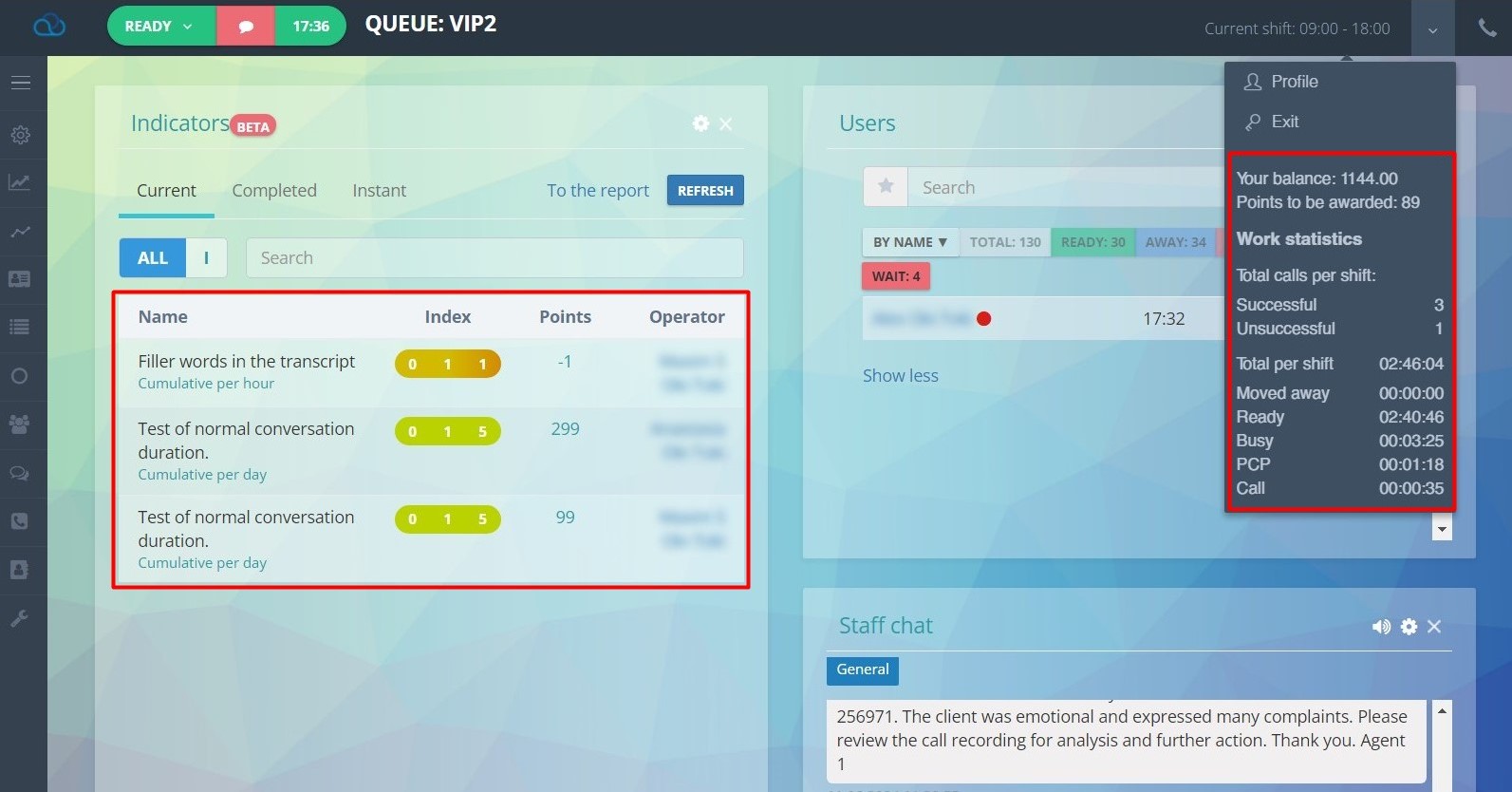
- Feedback organization
Feedback is an important element in evaluating the effectiveness of agents’ work and increasing their motivation. Regular feedback makes it possible to identify problems in a timely manner and find solutions. To do this, different tools can be used, such as service quality assessment systems, customer and employee surveys, internal reports, etc.In conclusion, telemarketing agent training is an important process that requires careful preparation and organization. Proper training and employee motivation make it possible to achieve high results and improve customer service quality.
Methods for evaluating telemarketing effectiveness: which KPI to use to assess campaign results
Evaluating telemarketing effectiveness is a key aspect for contact centers and sales departments working in this area. To assess campaign results, it is necessary to determine which KPI (key performance indicators) can be used. Below, we consider some of the main KPI used to evaluate telemarketing effectiveness.
- Number of deals/sales
This KPI is the main indicator of telemarketing effectiveness. It reflects the number of deals or sales completed as part of the campaign. This metric can be measured in product units or in monetary equivalent. For example, if the campaign is aimed at selling a product, the number of units sold would be the main indicator of effectiveness.
- Conversion
Conversion is the percentage relationship between the number of calls and the number of deals or sales. This metric makes it possible to evaluate the effectiveness of contact center agents’ work. The higher the conversion rate, the more effective the campaign will be. To calculate conversion, divide the number of deals/sales by the number of calls and multiply by 100%.
- Average handle time
Average handle time (Average Handle Time) is the amount of time a contact center agent spends on a call. This metric affects agent productivity and can help improve customer service quality. The optimal handle time depends on the type of campaign and may range from 2 to 7 minutes.
- Average wait time
Average wait time (Average Wait Time) is the amount of time a customer spends in the queue before connecting with an agent. The shorter this time is, the better. A long wait time can cause the customer to lose interest and reduce conversion.
- Customer feedback
Customer feedback is information received from customers after the call ends. It can include an evaluation of service quality, satisfaction with the product or service, as well as suggestions for improving the campaign. Collecting feedback makes it possible to improve service quality and increase customer satisfaction, which in turn can boost the number of deals and sales.
- Customer Lifetime Value (Customer Lifetime Value, CLV)
Customer Lifetime Value (CLV) is a metric that reflects the expected profit from a customer over the entire period of cooperation. This KPI is important for contact centers and sales departments that focus on long-term cooperation with customers. To calculate CLV, multiply the average ticket by the number of purchases per year and by the average length of cooperation.The results of telemarketing effectiveness assessment can be improved through data analysis and the implementation of corresponding changes. For example, if conversion is low, it is necessary to analyze the quality of the database, agent training, and improve call scripts. If queue wait time is too long, it is necessary to increase the number of agents or improve the call routing system.In conclusion, assessing telemarketing effectiveness is an important aspect for contact centers and sales departments. Using KPI makes it possible to measure campaign results, identify problems, and improve customer service quality. It is important to remember that assessment results can be improved through data analysis and the implementation of corresponding changes.
Effective use of automation in telemarketing: how to automate processes, increase productivity, and reduce costs
Today, telemarketing is an integral part of many companies’ marketing strategies. It makes it possible to promote products and services effectively in the market and increase sales volume. However, as competition in the market grows, it is necessary to use every opportunity to optimize telemarketing, including process automation.Process automation in telemarketing can significantly increase call center efficiency, reduce staffing and equipment costs, and boost the number of customer interactions. Below, we look at several ways to automate telemarketing processes.
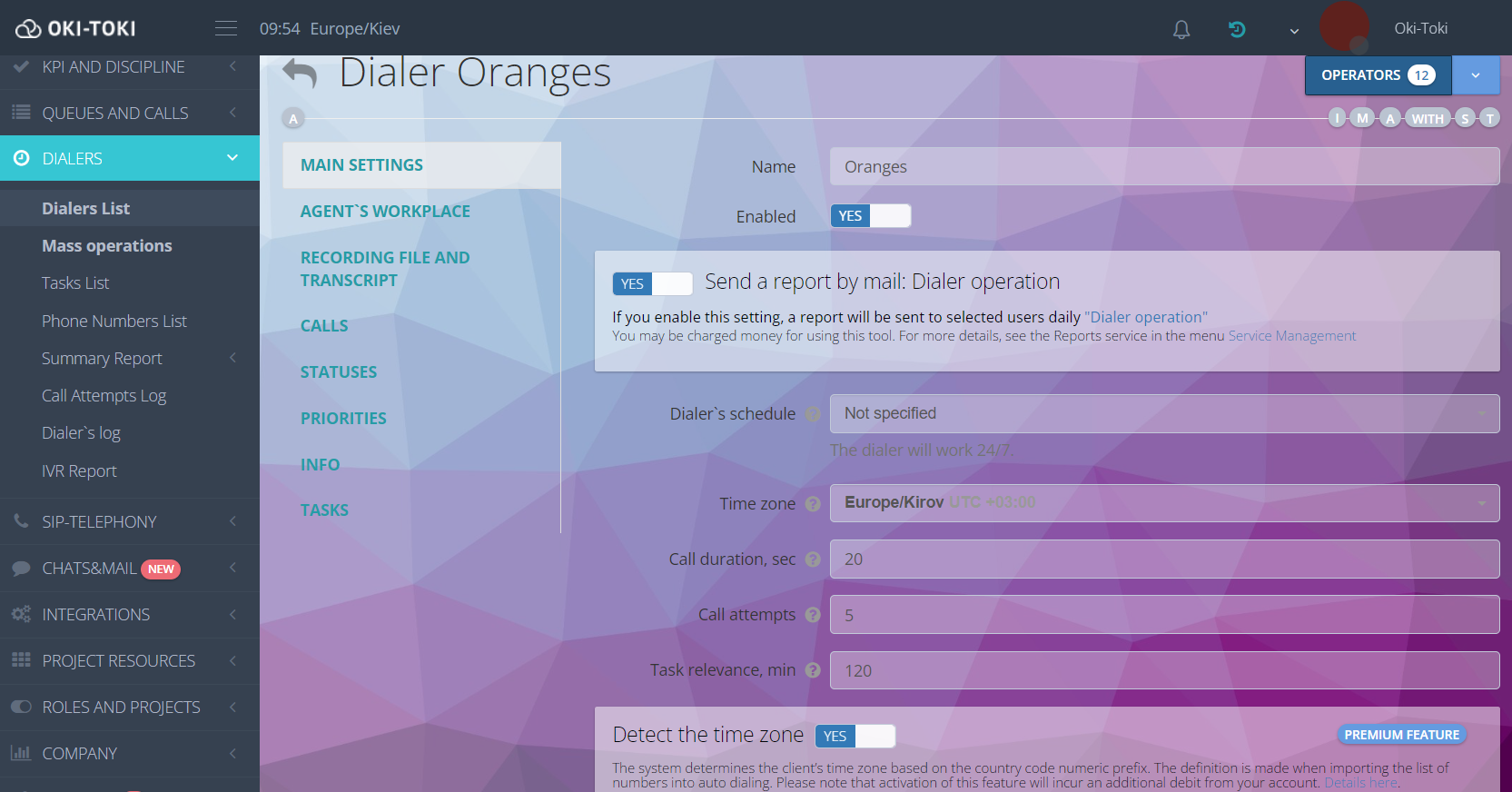
- Using autodialing
One of the most common ways to automate telemarketing processes is by using autodialing. This makes it possible to increase the number of outbound calls several times over and significantly improve call center productivity. In addition, autodialing reduces the time agents spend searching for contacts and preparing for calls.
- Using CRM systems
For effective management of the customer base and collection of customer information in telemarketing, CRM systems can be used. They make it possible to automate the processes of collecting and analyzing customer information, as well as optimize agents’ work, increasing productivity and service quality.
- Using scripts
Scripts are standard texts that agents use when communicating with customers. Using scripts makes it possible to standardize telemarketing processes, improve service quality, and reduce the likelihood of errors. In addition, scripts can be automated and integrated into CRM systems, which helps optimize customer communication processes and reduce the time spent handling each call.
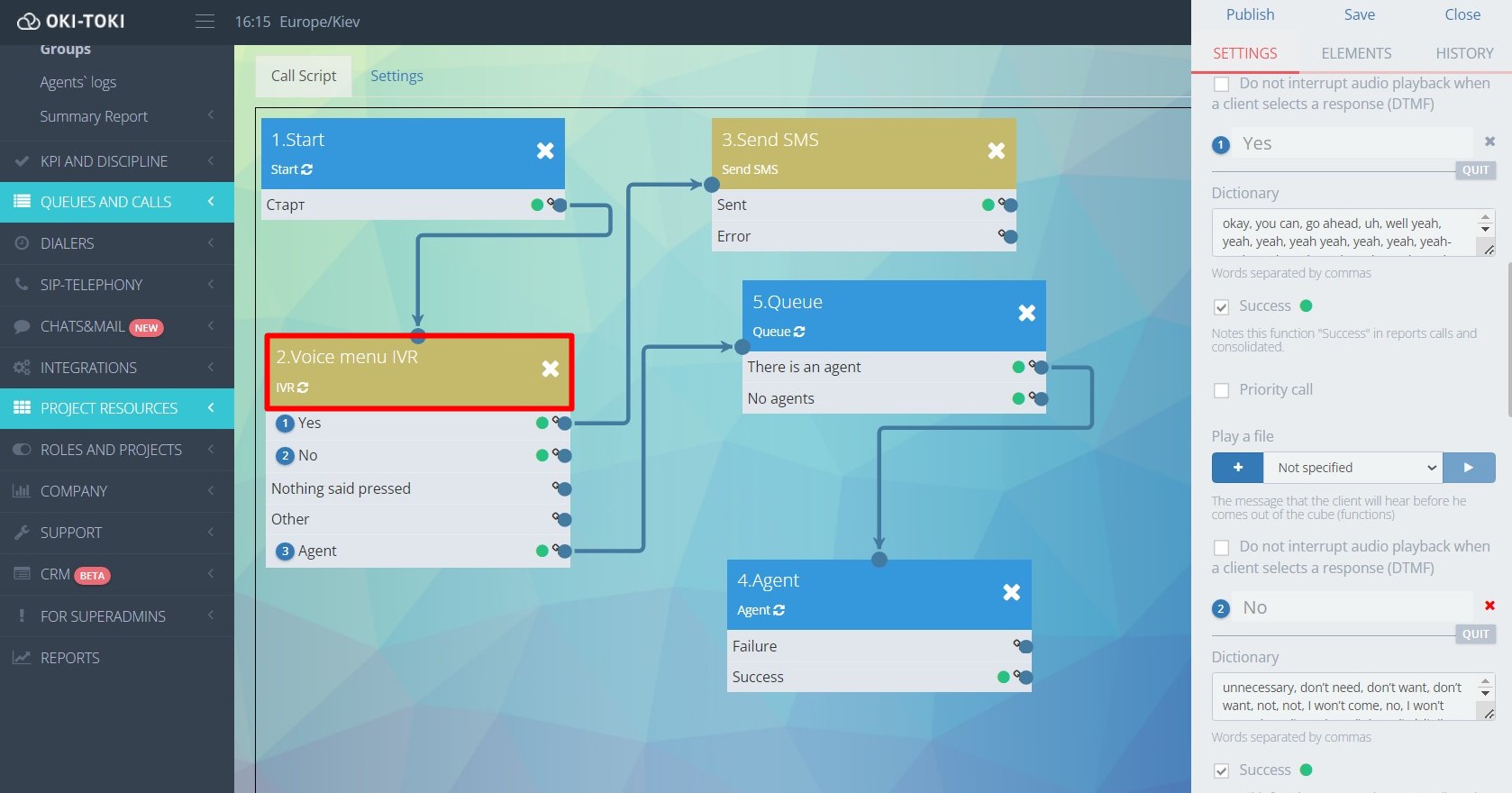
- Using IVR
IVR (Interactive Voice Response) is a voice menu system that allows customers to choose options and route their call independently. Using IVR helps optimize call routing, reduce the load on agents, shorten customer wait times, and improve service quality.
- Monitoring and data analysis
Monitoring and data analysis is an important element in the effective use of automation in telemarketing. It makes it possible to track call center productivity, identify issues and bottlenecks in processes, and make decisions based on real data. Different tools and software products can be used for monitoring and data analysis.
- Staff training
Effective use of automation in telemarketing requires proper training and upskilling of the team. Agents need to know how to use automated tools correctly, how to carry out data analysis, and how to behave during communication with customers. Staff training must be ongoing and regular so that agents stay up to date with the latest trends and new tools.Using automation in telemarketing can significantly increase contact-center productivity, reduce staff and equipment costs, and improve service quality. However, effective automation requires choosing the right tools, training the team, and carrying out monitoring and data analysis. Ultimately, the right use of automation can help companies achieve greater efficiency and increase telemarketing sales volume.
Strategies to boost telemarketing effectiveness: how to improve customer service quality, increase conversion, and drive more sales
Telemarketing is a sales process based on the use of phone calls to establish contact with potential customers. The goal of telemarketing is to convince customers to buy products or services. A good telemarketer should be an attentive listener, able to build rapport with the customer and sell products.
How can customer service quality be improved?
- Training and coaching. It is important to train telemarketers in sales and customer service skills. This will help them better understand customer needs, build rapport with them, and offer the right solutions. Training and coaching can also help telemarketers learn how to respond quickly to customer objections and resolve issues.
- High-quality call script. A good call script helps telemarketers speak the same language as customers and better understand their needs. The script should be not only effective, but also clear for telemarketers.
- Quality control. It is necessary to monitor customer service quality and standards to ensure that telemarketers do their work at a high level. Quality control can also help identify problem areas and improve the overall performance of the contact center.
How can conversion be increased?
- Target list development. Target lists help telemarketers find potential customers who may be interested in products or services. This saves time and increases conversion.
- Delivering value. Telemarketers should offer customers not only products or services, but value. Customers want to understand what benefit they will get from purchasing a product or service. That is why it is important to focus on the features and benefits that will be interesting and useful for a specific customer.
- Personalized approach. Every customer is unique and has their own characteristics, needs, and expectations. A personalized approach, where telemarketers adapt to each customer and offer suitable solutions, can significantly increase the likelihood of a successful sale.
How can sales be increased?
- Data analysis. Data analysis helps identify the successful and unsuccessful aspects of call center operations and make the necessary changes to improve efficiency. Data can be analyzed by various parameters, for example, number of calls, sales, call duration, customer objections, etc.
- Using automation. Process automation can reduce telemarketers’ work time and increase the number of calls and sales. For example, using dialer calls, automatic call assignment to agents, chatbots, and other technologies can help optimize call center operations.
- Developing cooperation with sales departments. The call center and the sales department are interconnected parts of the company, and building cooperation between them can significantly improve performance. For example, sharing information between the call center and the sales department can help clarify customer needs, offer the right solution, and close a successful sale.
In short, to increase telemarketing effectiveness, it is necessary to focus on improving customer service quality, boosting conversion, and increasing sales. It is essential to train telemarketers in sales skills, use effective call scripts, monitor customer service quality, and analyze data to optimize call center operations. The use of automation, a personalized approach, and cooperation with the sales department can also help improve telemarketing effectiveness. It is important to meet the individual needs of each customer and offer them value, not just products or services. In addition, it is crucial to develop target lists, use a personalized approach, and analyze data to continuously improve call center performance and increase conversion and sales.
Integrating telemarketing with other sales channels: how to use telemarketing alongside email marketing, social media, and other channels for maximum impact
Integrating telemarketing with other sales channels is an important step in the development of any business. Combined with email marketing, social media, and other channels, telemarketing can significantly increase sales effectiveness and improve communication with customers. Below are some practical tips on how to integrate telemarketing with other sales channels.
- Use email marketing to prepare for the call
Email marketing is a powerful tool for preparing for the call. For example, you can send the customer an email informing them that a telemarketer will contact them to provide more information about the product or service. This allows the customer to prepare for the call and ensures more effective use of the telemarketer’s time.
- Use social media to boost brand awareness
Social media is an excellent channel for increasing brand awareness and attracting new customers. For example, you can use telemarketing to gather information about what users are saying about your brand on social media and bring that insight into your conversations. This helps improve customer relationships and increase brand awareness.
- Use telemarketing for repeat sales
Telemarketing can be used for repeat sales when the customer has already purchased a product or service from you. For example, you can use telemarketing to offer the customer other products or services that may be of interest. This helps increase revenue and strengthen the relationship with the customer.
- Use other sales channels to improve telemarketing effectiveness
Other sales channels can also help improve telemarketing effectiveness. For example, you can use social survey results to identify customer needs and adjust the telemarketing campaign accordingly. In addition, you can use data from online feedback forms or live chats to prepare the telemarketer for the call and resolve potential customer issues more effectively.
- Use data to improve call quality
It is important to use data from other sales channels to improve the quality of telemarketing calls. For example, you can use information from the CRM system to find out which products or services the customer has previously purchased, what questions they have asked, and which issues have been resolved. This will help the telemarketer prepare better for the call and offer the customer the most suitable solution.
- Work with other company departments
To maximize effectiveness, it is crucial to collaborate with other company departments, such as marketing or sales. For example, you can use data from the marketing department to determine the target audience and adjust the telemarketing campaign accordingly. In addition, working with the sales department can help you understand which products and services are in highest demand and which issues are resolved most effectively.Integrating telemarketing with other sales channels can significantly improve sales performance and customer relationships. It is important to use data from other sales channels to identify customer needs and adjust the telemarketing campaign accordingly. In addition, it is crucial to collaborate with other company departments to maximize effectiveness.