

1. What is a “Remote Call Center”?
2. Benefits of remote management for agents and supervisors
3. Challenges of remotely managing contact center agents
4. What is a cloud service for call centers and contact centers: benefits and capabilities
5. A set of skills and tools for effective remote management of contact center managers
6. The impact of remote management on KPIss and call center productivity
7. The role of the supervisor in remotely managing call center agents
8. Strategies and methods for effective remote management
9. Measuring and evaluating contact center service quality in a remote setup
10. Technologies and methods for quality control in a remote call center
11. Supporting engagement and motivation for agents at a distance.
12. Benefits of using Oki-Toki for remote contact center management
13. Three implemented cases of successful use of Oki-Toki
What is “Remote Call Center ”?
A remote call center is a contact center or call center operating model in which employees carry out their duties from a remote location, outside a physical office. This way of working is becoming increasingly popular in modern business due to a number of advantages it offers.
It is important to note that effective remote call center operations require good organization and the use of specialized tools. A reliable communications system, cloud services for call management, call recording, and analytics allow managers to monitor agent performance and deliver a high level of service.
Of course, there are also some challenges associated with remote work. For example, it is necessary to establish clear procedures and rules for employees, as the inability to provide direct supervision can affect discipline and productivity. However, with modern management and feedback tools, these challenges can be successfully overcome.
Benefits of remote management for agents and supervisors
Remote management is becoming increasingly common and in demand in modern call centers, contact centers, sales departments, and other organizations where effective communication with customers plays a key role. Implementing remote management can bring a wide range of benefits for agents and supervisors, enabling more flexible and efficient work.
Here are some of the main benefits of remote management for call center agents and supervisors:
- Workplace flexibility: Remote management allows agents and supervisors to work from any location with internet access. This is especially useful in situations where work-from-home arrangements are needed or when traveling on business. Workplace flexibility helps boost productivity and staff satisfaction, and allows companies to attract and retain talented employees.
- Greater availability: Remote management allows agents and supervisors to be available at any time and from anywhere in the world. This is especially important for international companies or organizations that serve customers across different time zones. Thanks to remote management, agents and supervisors can respond to customer requests instantly, which helps improve service and increase customer satisfaction.
- Effective management and monitoring: Remote management allows supervisors to oversee agent performance and monitor service quality in real time. With specialized software solutions and cloud services, supervisors can access statistical data on agent performance, analyze productivity, and make adjustments to improve results. This helps optimize call center processes and raise service quality.
- Cost reduction: Remote management can significantly reduce expenses on office space and equipment rental. Agents and supervisors do not need to commute to the office every day, which helps save on utility bills, transportation costs, and travel time. Companies can also cut spending on hardware maintenance and support by shifting this responsibility to cloud services provided by specialized vendors.
- Expanded recruitment opportunities: Remote management allows companies to attract talented employees from different geographic regions, rather than being limited to the local labor market. With the option to work remotely, call centers and contact centers can hire people with the required skills and experience regardless of their location. This expands the pool of potential candidates and helps companies build strong teams.
Challenges in remote management of contact center agents
When managing contact center agents remotely, a number of challenges arise that require special attention and solutions. The work of remote agents can become difficult due to a lack of direct supervision and in-office interaction. Let’s look at some of these challenges and suggest solutions to address them.
- Limited communication and coordination: In a remote environment, agents may lose the ability to communicate quickly with colleagues and supervisors, which can lead to delays in resolving customer issues. To address this problem, it is recommended to use communication tools such as chat, video conferencing, and enterprise social networks. This allows agents to quickly exchange information, ask questions, and receive the support they need from colleagues and management.
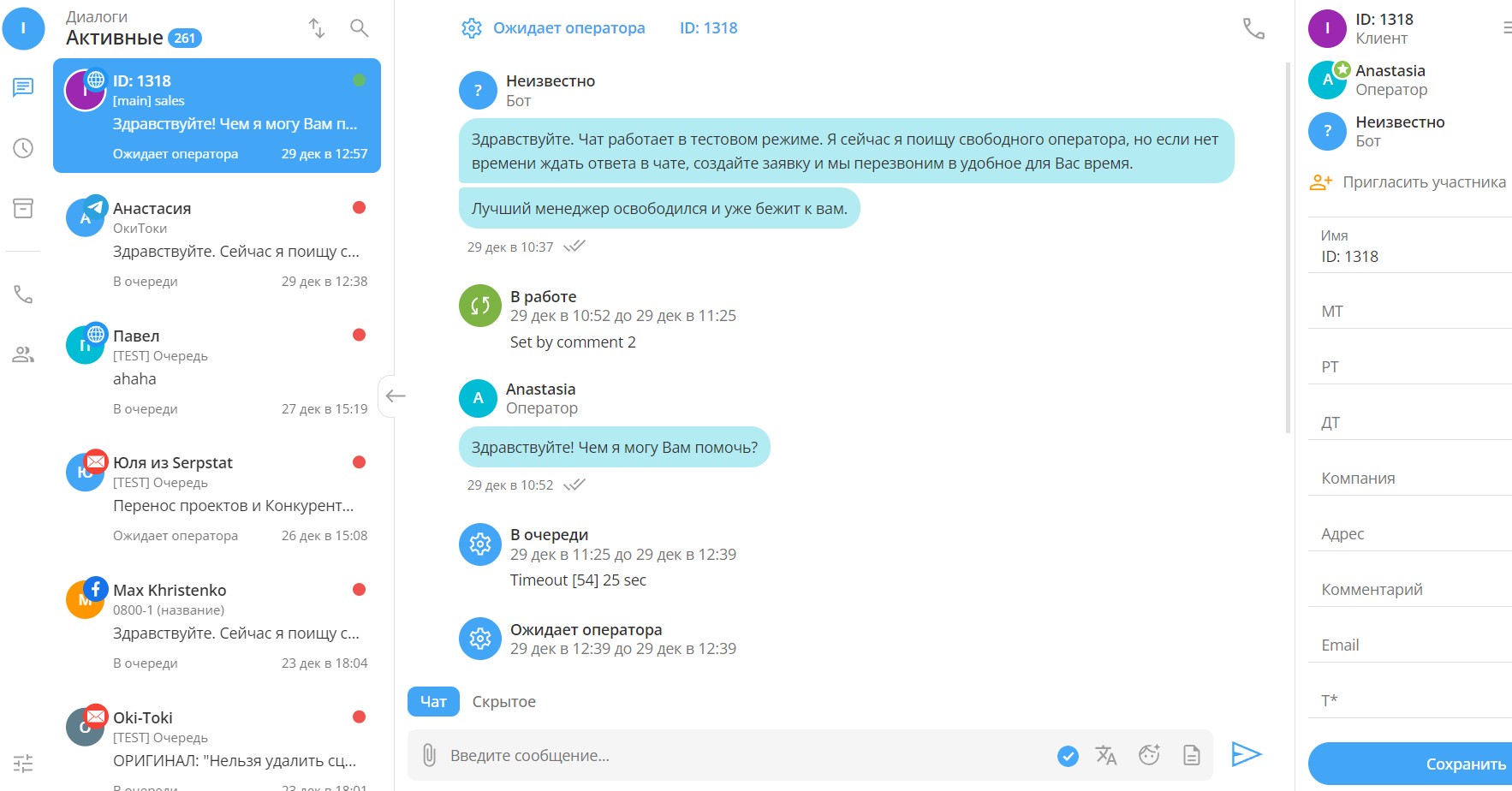
- Limited control and motivation: Without direct supervision from a manager, remote agents may struggle with a lack of motivation and self-discipline. To improve control and maintain motivation, it is recommended to use specialized performance management tools such as monitoring systems, analytics, and reporting. These tools make it possible to track key performance indicators for agents and provide them with feedback to improve productivity.
- Technical issues and glitches: In a remote environment, agents may face technical problems such as network outages, software issues, or hardware failures. To reduce the likelihood of such problems, it is recommended to carry out regular maintenance and updates of the technical infrastructure. In addition, agents should be provided with access to reliable technical support that can respond quickly to issues and resolve them.
- Data security and confidentiality: Remote agents have access to sensitive customer data, so strict security measures are needed to prevent data leaks. It is recommended to use secure communication channels, multi-factor authentication, data encryption, and regular employee training on information security.
Examples from real-world cases:
- XYZ, an online store company, solved the problem of limited communication by implementing an internal chat and video conferencing system for its remote agents. This allowed agents to quickly consult with colleagues and management, which improved customer service quality.
- ABC, a financial organization, addressed the issue of limited control and motivation by implementing a performance monitoring system and giving agents access to their personal performance metrics. This allowed agents to better control their work and maintain a high level of motivation.
Thus, successfully managing remote contact center agents requires addressing communication, monitoring, technical, and data security challenges. Leveraging specialized tools and providing access to reliable technical support will help minimize these issues and ensure the effective performance of remote agents.
What is a Cloud Service for call centers and contact centers: benefits and capabilities
A cloud service for call centers and contact centers is an innovative solution that allows organizations to efficiently manage their customer service. It offers numerous benefits and capabilities, opening new opportunities for sales teams, supervisors, and managers.
One of the main advantages of a cloud service is its flexibility and scalability. The service is cloud-based, which means there is no need for major investments in hardware and software. This is especially useful for small companies or startups that find it difficult to allocate significant funds to purchase and maintain equipment. A cloud service makes it possible to scale operations quickly and adapt them to the growing needs of the business.
Another important advantage is geographic flexibility. Employees can work remotely from anywhere in the world as long as they have access to the internet. This opens up new opportunities for companies, allowing them to hire specialists from different regions and reduce office rental costs. Moreover, the flexibility of a cloud service makes it easy to set up and manage temporary or seasonal call centers depending on business needs.
In addition, cloud services offer extensive functionality, providing a wide range of capabilities to improve call center performance. These include automation of inbound and outbound calls, agent performance monitoring, analytics and reporting, integration with CRM systems, instant access to customer information, and other useful features. Thanks to these capabilities, companies can improve customer service quality, speed up processes, and enhance overall operational efficiency.
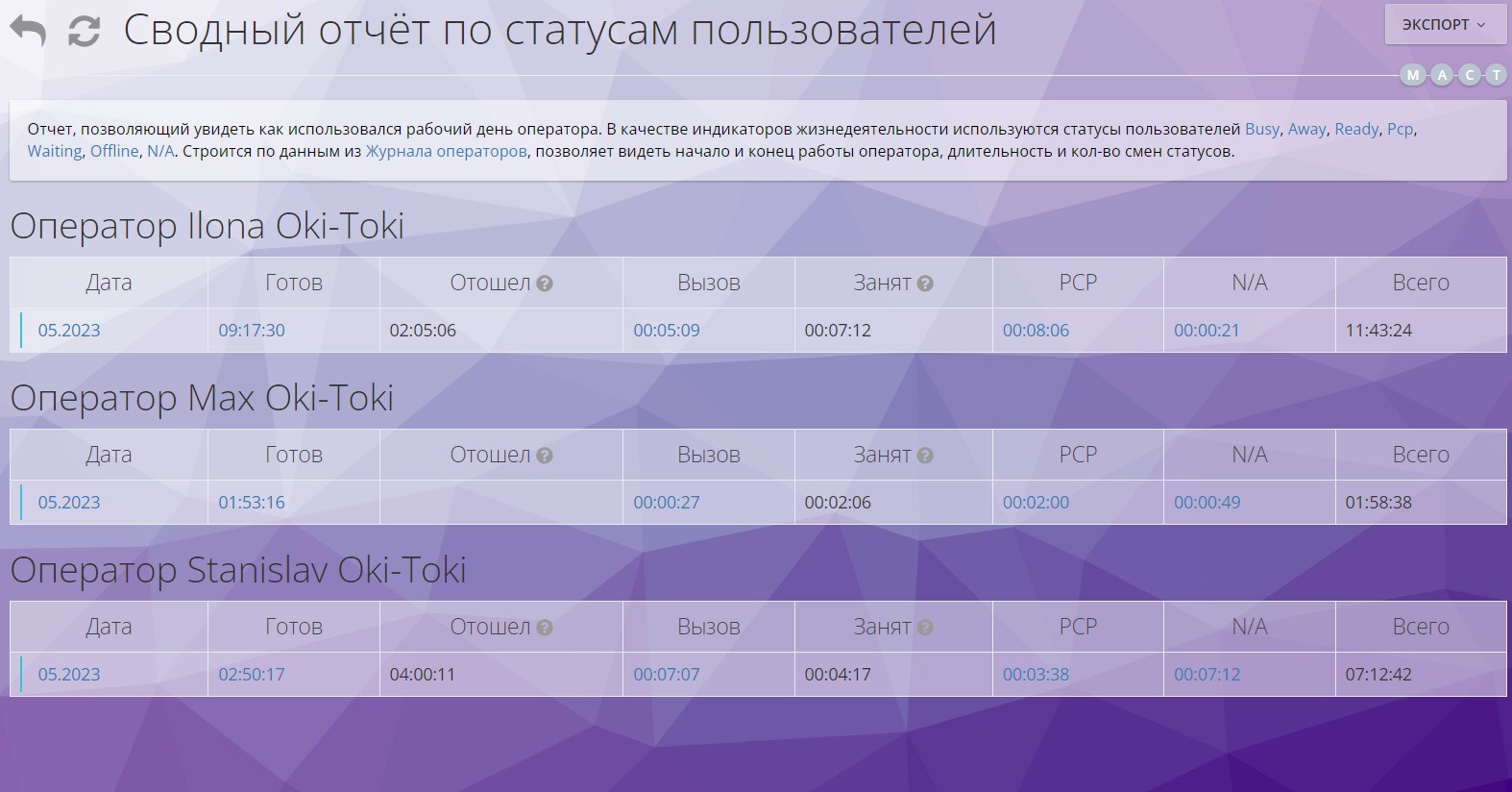
For illustration, let us consider the case of Company X, an online store of sports goods. By using a cloud service for their contact center, they were able to cut customer wait time on the line in half and increase the conversion of calls into sales by 20%. This was achieved through automating call handling and more efficient routing to the right agents. In addition, thanks to integration with the CRM system, agents had full access to customers’ purchase history, which made it possible to deliver personalized service and significantly increase customer satisfaction.In conclusion, a cloud service for call centers and contact centers offers numerous benefits and capabilities for organizations. Flexibility, scalability, geographic flexibility, and extensive functionality make it an attractive solution for sales teams, supervisors, and managers. This innovative approach has already proven its effectiveness in real-world practice, improving productivity and customer service quality.
A Set of Skills and Tools for Effective Remote Management of Contact Center Managers
Managing remote contact center teams is a complex task that requires a certain set of skills and the use of specialized tools. In the context of modern technologies and the growth of cloud services, effective remote management is becoming an increasingly important aspect of call centers, contact centers, sales departments, and other organizations.
To successfully manage remote contact center teams, you need to have the following skills:
- Communication skills: Communication with remote teams is carried out primarily through electronic channels such as email, chats, and video conferences. It is important to be able to express your thoughts clearly and concisely, write well in written communication, and use various communication tools effectively.
- Leadership skills: Remote contact center teams need clear instructions and guidance. A leader must be able to set clear goals, assign tasks, and provide support and motivation to achieve objectives.
- Ability to work with technology: Modern cloud services provide many tools for remote management. Contact center managers should be familiar with the core functions of these tools and know how to use them properly. For example, using a CRM system to track manager performance, monitor KPIss, and analyze data.
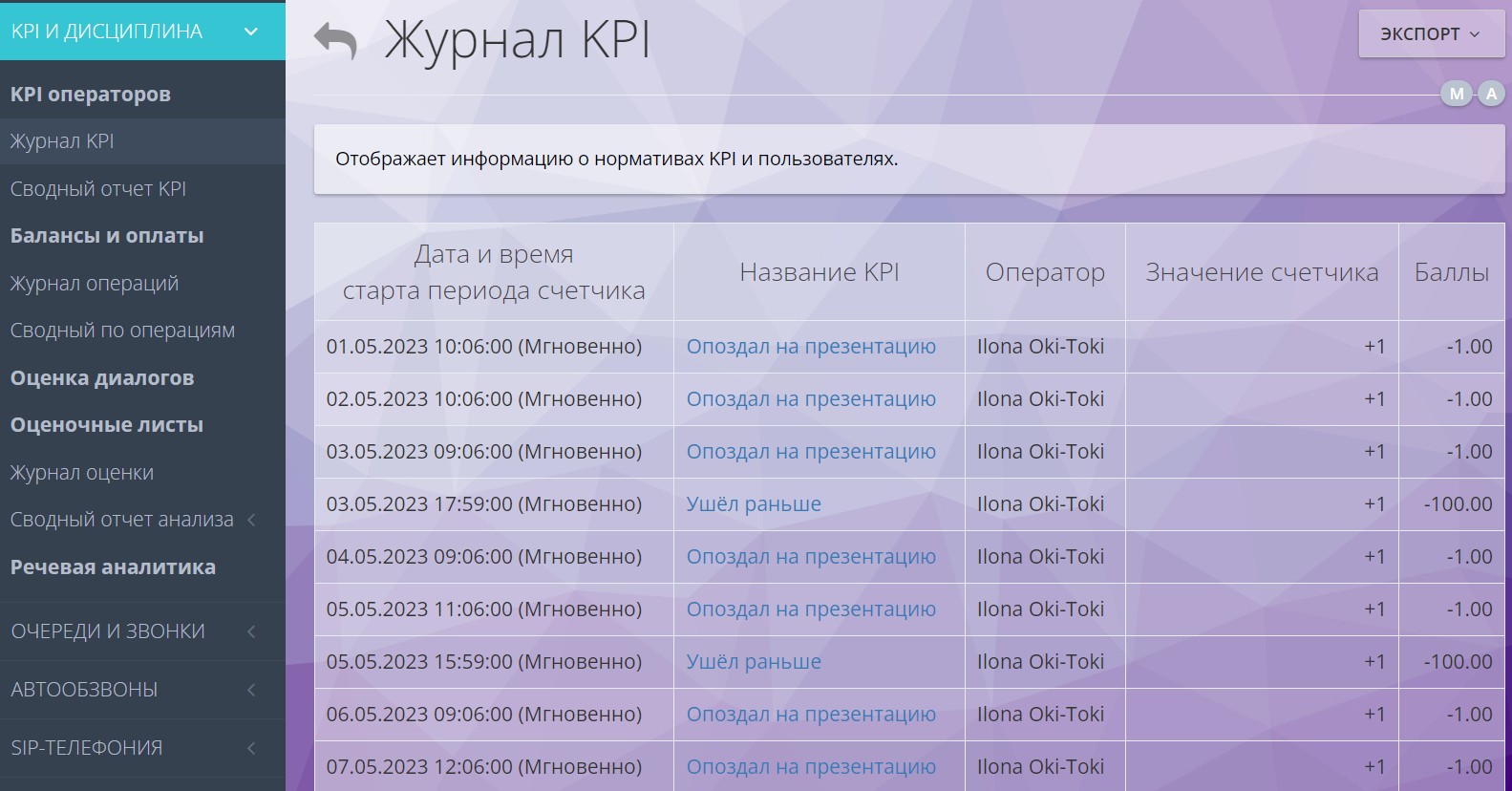
- Motivation and support: Remote employees often feel disconnected from their team and lose motivation. A leader should pay special attention to motivating remote teams, creating conditions for their growth, providing support, and encouraging achievements.
Along with skills, it is important to use specialized tools for effective remote management. Some of these tools include:
- CRM systems: Using a CRM system allows contact center managers to track agent performance, manage customer databases, analyze performance metrics, and make management decisions based on the data obtained.
- Video conferencing systems: Video conferences provide effective communication and connectivity between remote teams and their supervisors. They make it possible to hold meetings, conduct training sessions, discuss issues, and solve problems in real time.
- Collaborative tools: Using shared platforms and tools allows remote managers to collaborate effectively, exchange information, work on joint projects, and coordinate their actions.
- Monitoring and analytics systems: Using such systems allows contact center managers to receive real-time data on agent performance, assess productivity, analyze trends, and forecast contact center needs.
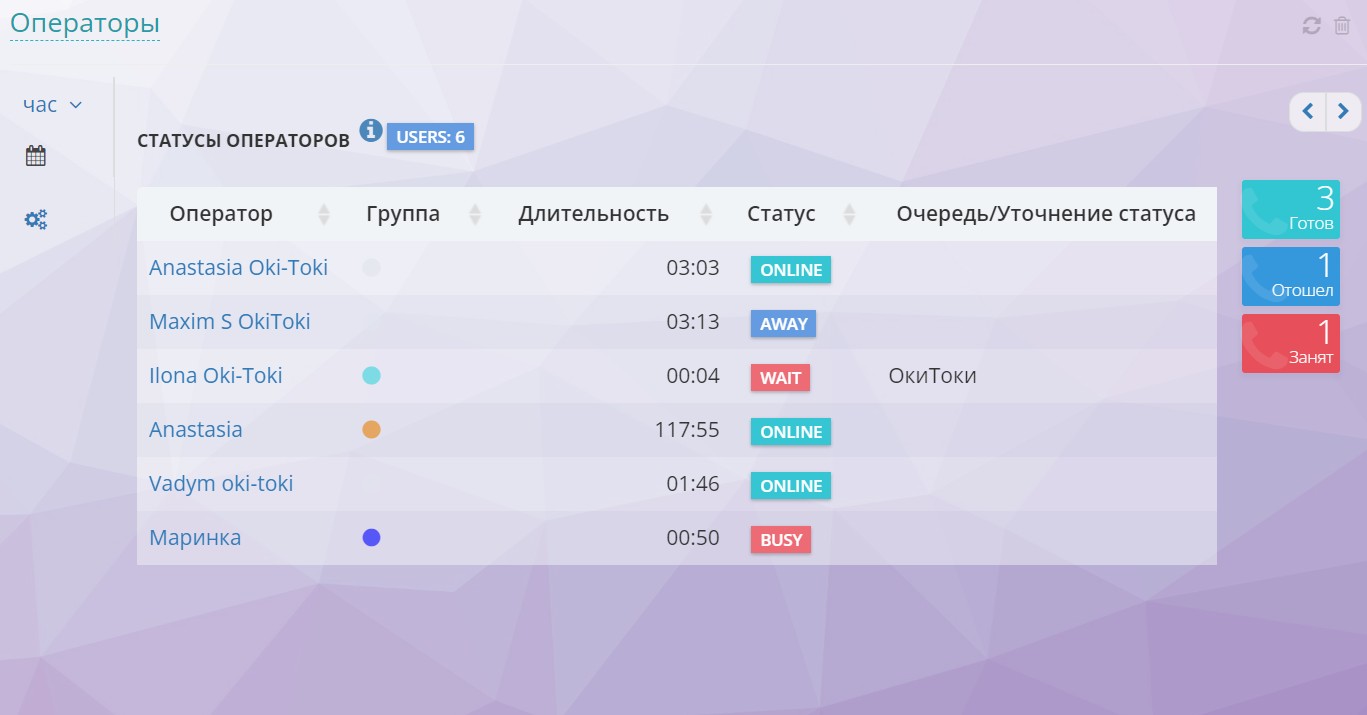
Applying skills and tools for effective remote management of contact center teams helps increase productivity, reduce costs, and ensure a more flexible work organization. These methods and tools have been successfully used in various organizations, including online stores and financial institutions, and have led to improved customer service quality and increased competitiveness.
The impact of remote management on KPIss and call center productivity
Remote management is becoming increasingly common in modern organizations, including call centers, contact centers, sales departments, and other divisions. However, before deciding to switch to remote management, it is necessary to assess its impact on key performance indicators (KPIss) and the overall productivity of the call center.
One of the main aspects to consider when analyzing the impact of remote management is its potential effect on the motivation and engagement of call center agents. It is important to remember that remote agents do not have the opportunity to communicate and interact with colleagues in person, which may affect their motivation and team spirit. However, with effective communication tools and strategies, remote agents can remain connected and engaged in their team’s work.
One of the main call center performance metrics is Average Speed of Answer (ASA). Switching to remote management may affect this time, since remote agents may have different technical capabilities and access to information. Optimizing workflows and using specialized tools for monitoring and managing calls will help reduce Average Speed of Answer and keep the KPIs at the required level.Another important metric to consider is the conversion of calls into sales or completed target actions (conversion rate). Remote management can affect the effectiveness of customer communication and, therefore, conversion. However, by effectively using CRM systems, training agents, and analyzing data, it is possible to optimize the call handling process and increase conversion.
To assess the overall productivity of a call center, metrics such as calls handled per hour and average handling time are often used. Remote management can affect these metrics, since remote agents may have different skill levels and access to resources. Regular training and monitoring of remote agents will help identify weak spots and improve the overall productivity of the call center.
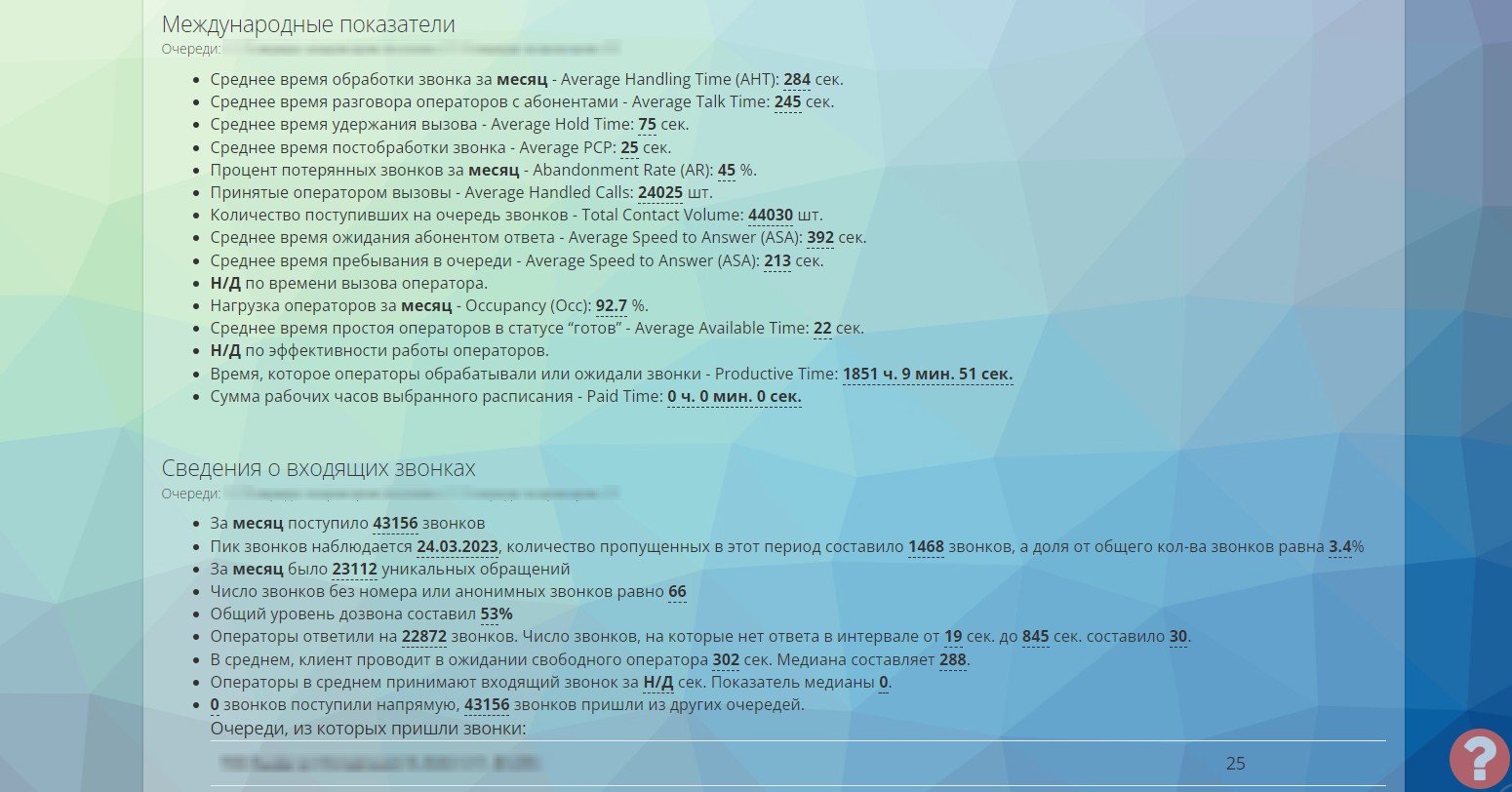
It is also worth mentioning the role of technologies and remote management tools in improving KPIss and call center productivity. Using cloud services, CRM systems, process automation, and other tools can significantly improve call center efficiency and improve its KPIss. Examples of successful remote management implementation can be found in many industries, including e-commerce and financial institutions, where remote sales teams deliver high conversion and customer satisfaction.
The transition to remote management in contact centers can have both positive and negative effects on KPIss and productivity. It is important to analyze and prepare for changes, optimize communication processes, provide employees with the necessary tools and training, and regularly monitor and analyze performance indicators to achieve success in remote call center management.
The Supervisor’s Role in Remote Management of Call Center Agents
Modern technologies and the growth of the internet have led to the emergence of remote call centers, where agents work from different locations, including their homes. In such conditions, the supervisor’s role is especially important, as they ensure effective management and oversight of agents remotely. Let’s look at the key aspects and tasks a supervisor faces in the remote management of call center agents.
- Setting goals and objectives. The supervisor plays an important role in defining the goals and objectives of call center agents. They must ensure a clear understanding of the expected results and customer service quality. For example, a supervisor may set key performance indicators (KPIs) for each agent, such as call handling time, customer satisfaction level, or sales volume. They also track and evaluate progress toward these goals.
- Training and development. The supervisor is responsible for the training and development of call center agents. They must provide them with the knowledge and skills needed to perform their duties effectively. This may include onboarding new employees, conducting customer service training, using the CRM system, or resolving conflict situations. The supervisor also ensures ongoing training and support for agents, helping them improve performance and enhance service quality.
- Motivation and support. The supervisor plays an important role in supporting and motivating call center agents. They encourage achievements, recognize successes, and offer rewards for good performance. The supervisor also helps agents cope with emerging issues or stress, provides moral support, and creates a positive work environment. This may include organizing motivational activities, encouraging team spirit, or organizing incentives.
- Communication and feedback. The supervisor ensures effective communication between agents and management. They provide agents with information about important updates, new policies, or changes in work processes. The supervisor also gathers feedback from agents, suggests improvements to the workflow, and initiates changes to the workflow if necessary. They serve as a link between agents and management, ensuring an effective communication environment.
- Monitoring and control. The supervisor continuously monitors agent performance and controls their productivity. This includes call listening and reviewing recordings, reading customer correspondence, analyzing statistical data and reports. The supervisor actively examines each agent’s performance metrics, identifies weak spots, and suggests adjustments and improvements. For example, if an agent needs additional support or further training, the supervisor may assign a mentor or conduct extra coaching.
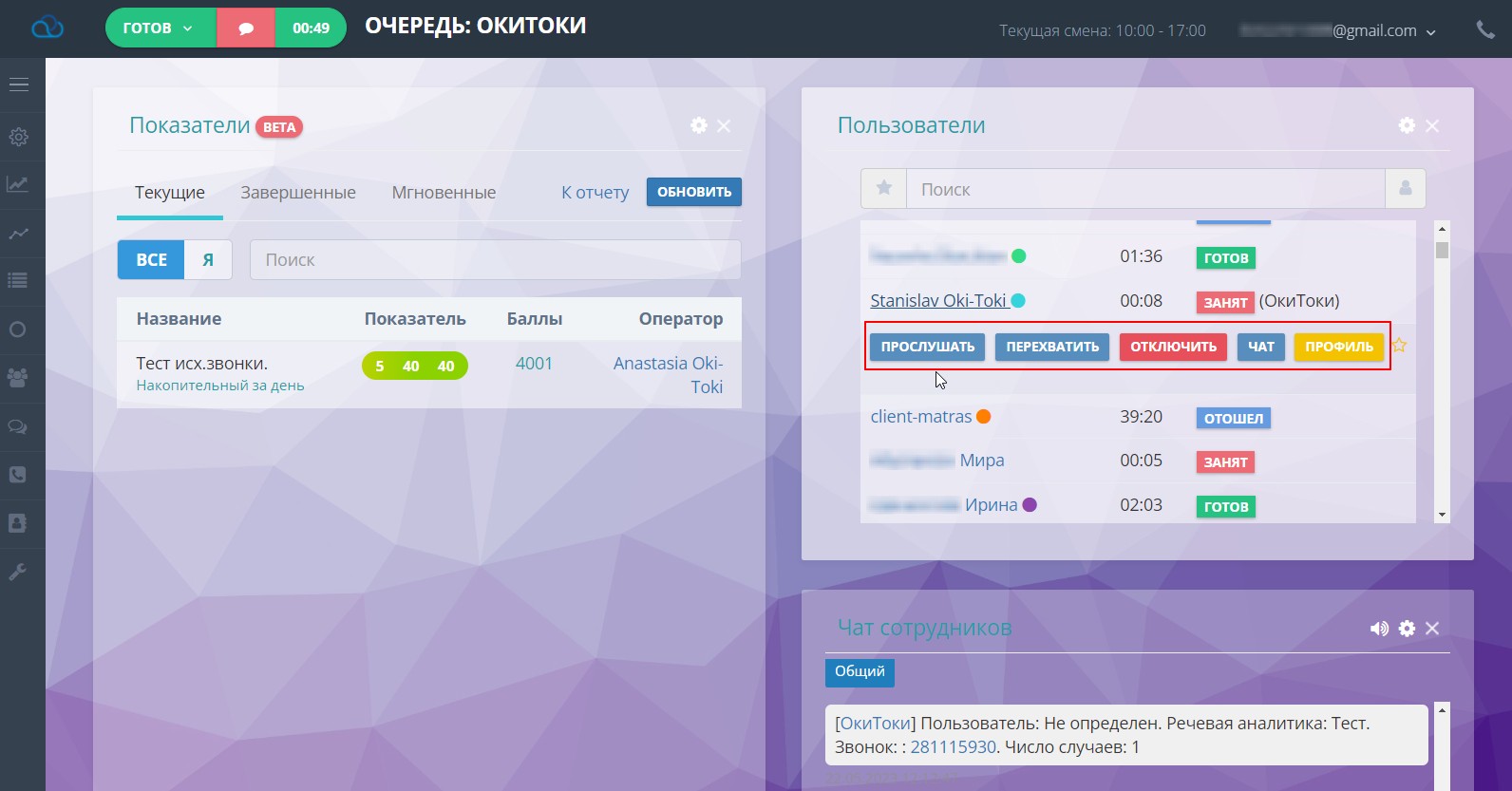
The supervisor’s role in remote management of call center agents is critical to ensuring efficiency and customer service quality. They act as a mentor, coach, motivator, and communicator, helping agents grow and achieve their goals. Understanding these responsibilities and applying practical tips and techniques based on experience in call centers, contact centers, and sales departments enables supervisors to effectively manage remote agents and deliver a high level of service.
Strategies and Methods for Effective Remote Management
Properly organized remote management helps improve productivity, retain talented employees, raise customer service levels, and achieve maximum efficiency in business processes.
Below are several key strategies and methods that can be applied to achieve effective remote management.
- Establishing clear communication channels: Successful remote management requires reliable communication channels that allow managers and employees to interact effectively. It is important to provide a variety of communication tools, such as video conferences, chats, email, and project management systems. This helps maintain constant communication, share information, and resolve issues in real time.
- Setting goals and planning: In a remote environment, it is especially important to have clear goals and work plans. Managers should define specific tasks and deadlines for completion, as well as evaluate employee progress and results. Using project management systems and task planners helps organize workflows and track goal achievement.
- Employee motivation and support: In a remote work setting, it is especially important to provide employees with motivation and support. Managers can hold regular virtual meetings and one-on-one conversations with employees to identify their needs, discuss current issues, and offer solutions. It is also possible to create a rewards and bonus system to encourage employees to achieve strong results.
- Employee training and development: Effective remote management requires investment in employee training and development. Hosting webinars, training sessions, and online courses helps improve employee skills and raise their professional level. In addition, employees can be given access to knowledge bases, guides, and resources that help them perform their tasks effectively.
- Monitoring and analyzing results: Effective remote management requires a system for monitoring and analyzing work results. Managers can use specialized software and tools to track employee productivity, analyze customer service quality, and identify bottlenecks in business processes. This makes it possible to take timely action to improve performance and increase the efficiency of remote management.
Applying these strategies and methods helps organizations manage remote teams effectively and achieve excellent results. They are the result of many years of experience in remote management and have been tested in practice across various business sectors. Implementing these strategies makes it possible to increase productivity, reduce costs, and provide high-quality customer service in a remote work environment.
Measuring and Evaluating Contact Center Service Quality in a Remote Setting
Remote work has its own specifics and raises a number of questions: How do you measure and evaluate service quality in a remote environment? Which metrics should be taken into account, and how should they be interpreted? How can you improve service levels and customer satisfaction while working with a remote team?
Defining key performance indicators:
-
- Average Wait Time — the time customers spend waiting for a response from a contact center agent.
- Talk Time — the length of the actual conversation between the agent and the customer.
- Average Handling Time — the sum of waiting time and talk time.
- Service Level — the percentage of calls handled within a specified time interval (for example, 80% of calls should be handled within 20 seconds).
- Customer Satisfaction Score — customer surveys and feedback that make it possible to assess their level of satisfaction with service.
Using tools for monitoring and analysis:
-
- The contact center can use specialized CRM systems and cloud services to record and monitor calls, analyze performance metrics, and manage agent tasks.
- It is important to conduct regular data analysis and measure service quality metrics to identify problem areas and take corrective action.
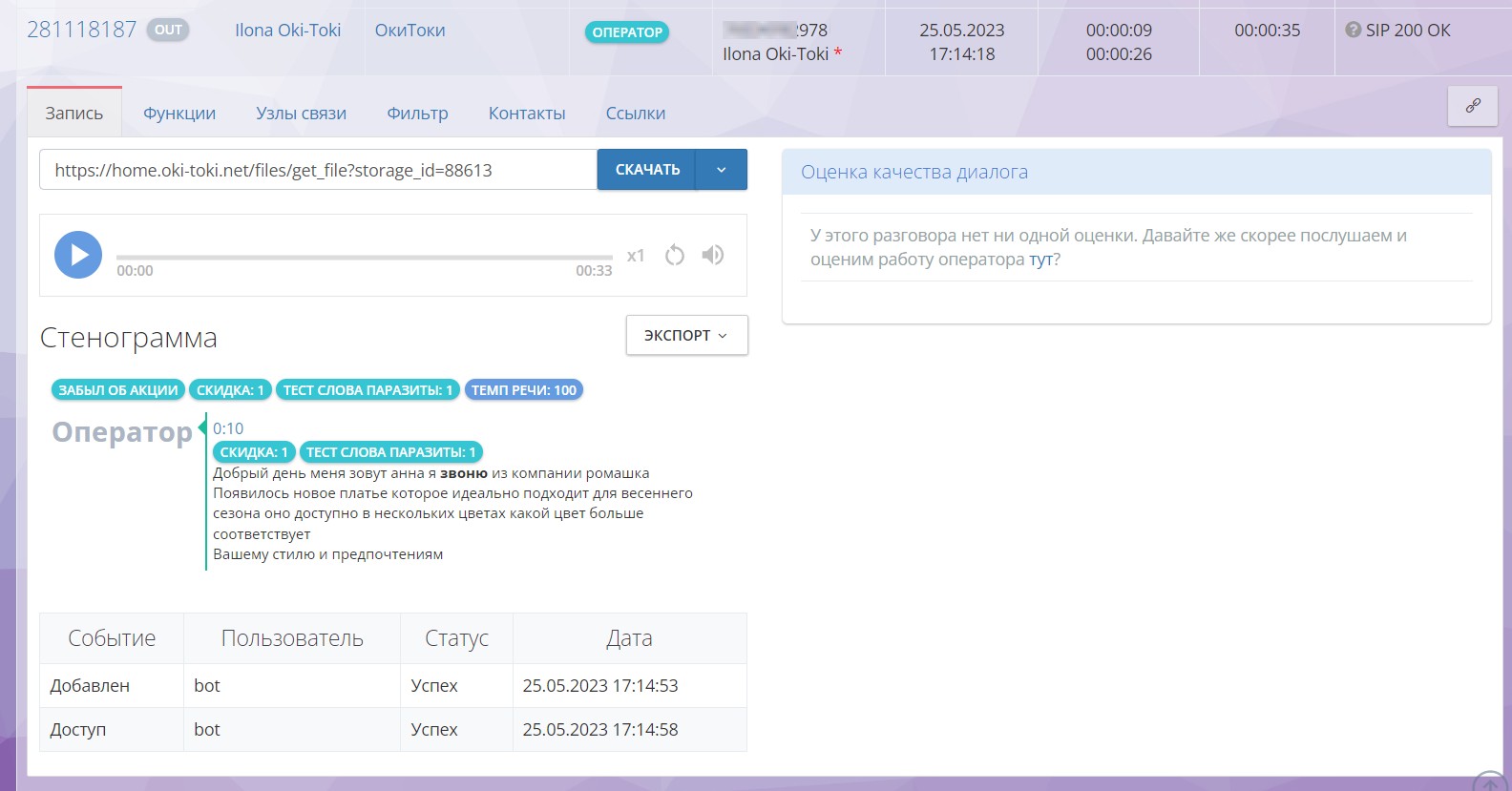
Developing a customer service quality assessment system:
-
- Creating a service quality scoring system based on key performance indicators.
- Conducting regular audits and service quality assessments to identify problem areas and develop action plans.
Feedback and agent training:
-
- Regular feedback from contact center agents helps identify and fix issues in day-to-day operations.
- Running training sessions and coaching sessions aimed at improving agent skills and service quality.
Case study: XYZ, an electronics e-commerce store, decided to move its contact center to a remote work model. To measure and assess service quality in the new environment, the company defined key metrics: average wait time, talk time, and total call handling time. The company also used a cloud service for call recording and analysis. Thanks to systematic monitoring and feedback from agents, XYZ was able to identify problem areas and provide employee training, which led to improved service levels and higher customer satisfaction.
As a result, measuring and assessing contact center service quality in a remote setup is an important task for delivering a high-quality customer experience. Choosing the right key performance indicators, using monitoring and analysis tools, developing an evaluation system, and providing feedback to agents will help improve service quality and ensure success in remote contact center operations.
Technologies and methods of quality control in a remote call center
Quality control technologies and methods play an important role in the efficient operation of a remote call center. With more and more companies providing remote customer service, it is necessary to ensure a high level of service quality to meet customer needs and expectations. In this context, identifying and applying the right quality control technologies and methods becomes an essential part of successful call center operations.
One of the key quality control technologies is call monitoring. This is the process in which call center supervisors and managers listen to and analyze recordings of phone conversations between agents and customers. Call monitoring makes it possible to assess an agent’s professionalism, the accuracy and completeness of the information provided, as well as their ability to communicate effectively with customers. To achieve the best results, scorecards can be used to rate agents across various parameters, such as clarity of speech, friendliness, and the ability to solve customer problems.
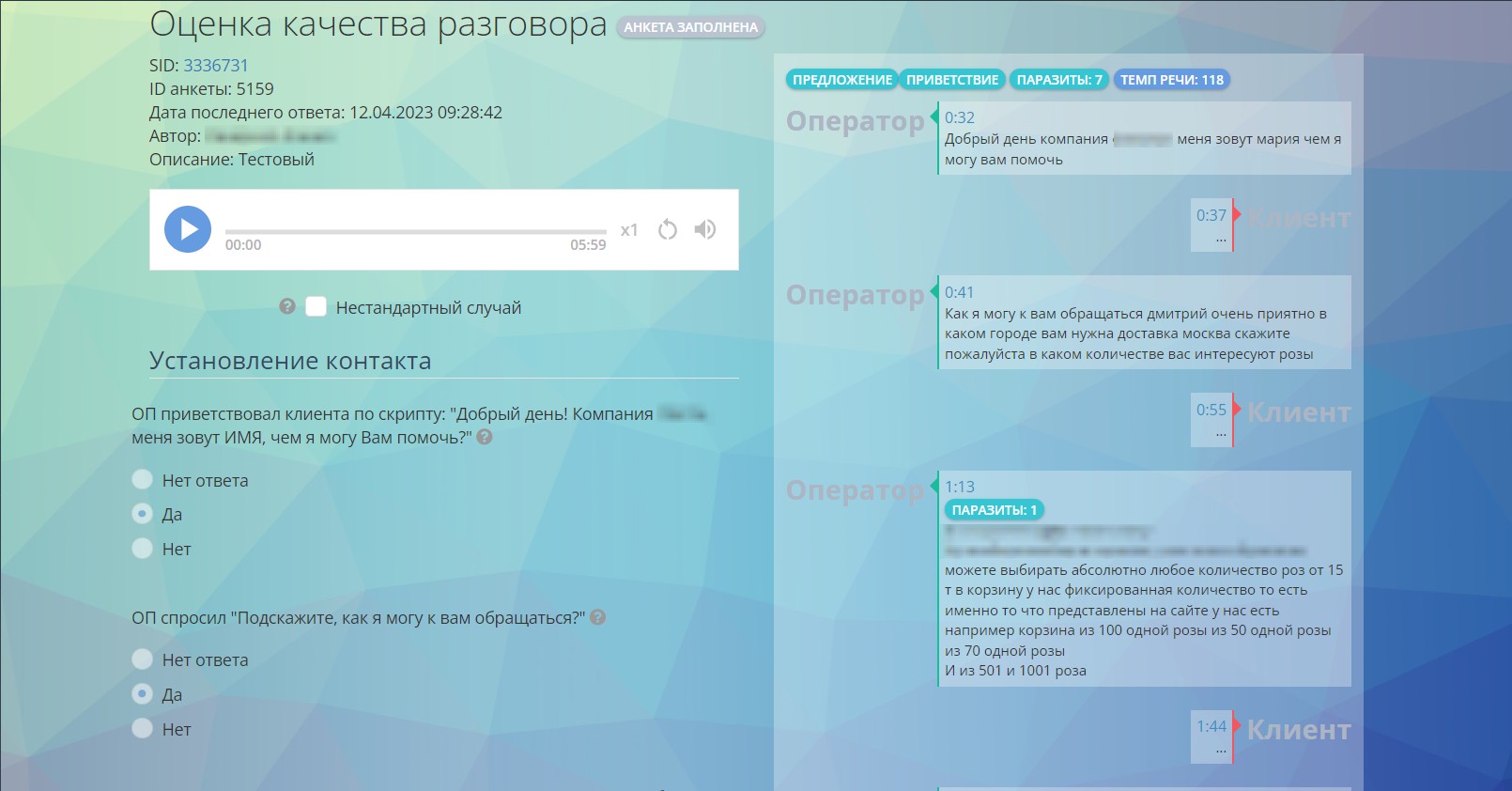
In addition to call monitoring, there are other quality control methods, such as evaluating emails and chats. More and more companies are giving customers the opportunity to communicate with agents not only by phone, but also via email and online chats. It is important to analyze the quality of these communication channels to ensure that agents provide a high level of service across all channels.
In addition, modern technologies make it possible to automate the quality control process. Using software to monitor and analyze calls, emails, and chats greatly simplifies the work of supervisors and managers. These tools make it possible to automatically track and record key service quality metrics, as well as identify weak spots and areas for improvement. Such systems also provide the ability to generate reports and analytics, enabling informed decisions based on real data.It is important to note that the successful use of quality control technologies and methods in a remote call center requires not only their implementation, but also the involvement and support of the entire team. Training agents, conducting regular workshops, and providing feedback are integral parts of this process. Only through continuous improvement and the exchange of experience can you achieve high customer service standards.
Quality control technologies and methods play an important role in a remote call center, ensuring a high level of customer service. Call monitoring, evaluation of emails and chats, as well as automation of the control process, help improve efficiency and identify areas for improvement. The combined involvement of the entire team and continuous improvement are key factors in the successful use of these technologies and methods in the practice of a remote call center.
Read more about Contact Center Supervisor Tools and Call Center Automation on our website.
Supporting agent engagement and motivation remotely.
Creating an effective system to support agent engagement and motivation remotely is an important task for managers and supervisors. They must ensure communication, motivation, and employee development, even without the opportunity to meet employees in person.
To successfully implement this task, it is recommended to use the following approaches:
- Clear definition of goals and expectations: It is important to ensure clarity and understanding of what is expected from agents in remote work. Define specific goals and outcomes that must be achieved. Formulate them so that it is clear how they can be measured and evaluated.
- Regular communication and feedback: Regular communication plays an important role in supporting agent engagement and motivation. Use various communication tools such as email, video conferences, online chats, or voice messages to maintain constant contact with employees. Regularly provide feedback on their performance, acknowledge their achievements, and offer support when needed.
- Opportunities for development: Providing agents with opportunities for professional growth and development helps maintain their motivation in remote work. Offer them training programs, online courses, or virtual workshops that will help them grow in their professional field. Such opportunities allow agents to feel that their skills are valued and developing.
- Recognition and rewards: Set up a system for recognizing and rewarding agent achievements in remote work. This can take the form of public praise, virtual awards, or special bonuses. Recognition and rewards motivate agents and help them feel their importance and value to the team and organization.
The use of these approaches in the practice of remote work in call centers, contact centers, sales departments, and financial organizations has already proven its effectiveness. For example, at Company X, introducing a system of weekly video conferences where achievements and goals are discussed increased employee motivation by 15% in the first quarter.
Implementing such practices in organizations helps maintain high engagement and motivation among remote agents. This contributes to higher productivity and better work quality, and also strengthens ties between employees and management despite the physical distance.
Advantages of using the Oki-Toki service for remote contact center management
Oki-Toki is an innovative service for call centers and contact centers, provided by the company of the same name. It offers a wide range of features and tools that help manage operations and customer communications effectively.
The Oki-Toki service solves a number of issues that call centers and contact centers often face:
- Challenge: Limited solution capabilities Oki-Toki offers a broad range of functionality, including PBX, an in-house CRM, integration with external CRMs and PBXs, call scripts, chats, evaluation forms, call transcription, dialer, a software suite for call centers, voice bot, and many other tools. This makes it possible to organize efficient customer service and streamline workflows.
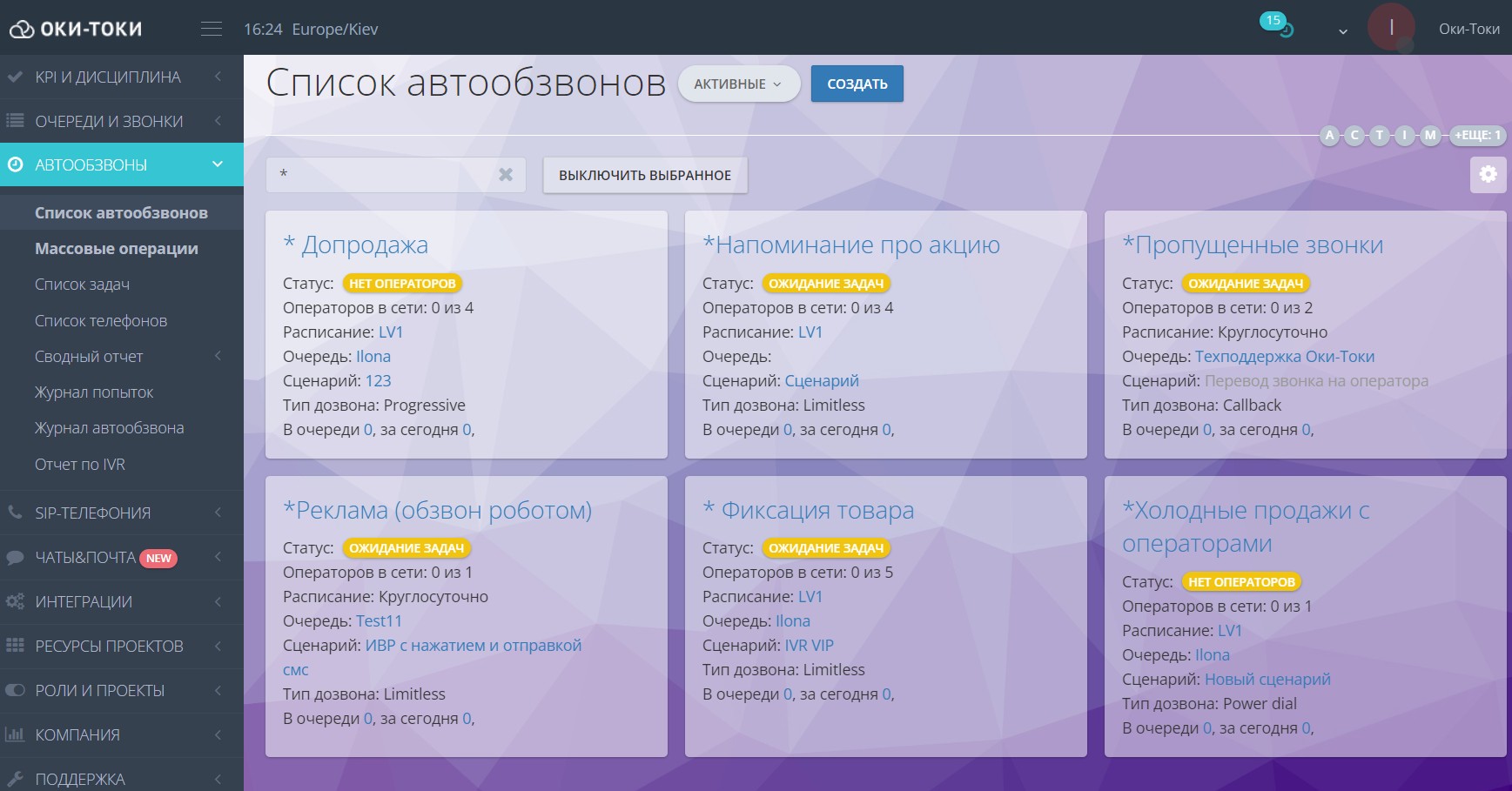
- Challenge: Complex setup and management Oki-Toki has an intuitive interface that simplifies the setup and management of the system. This allows users to adapt to the service quickly and start using its functionality without unnecessary complications.
- Challenge: Insufficient analytics Oki-Toki provides powerful analytics tools that help collect and analyze data on calls, chats, and other customer interactions. The report builder, automatic report delivery by email, historical data, detailed and summary statistics, call and chat evaluation – all of this gives a complete picture of the call center’s performance and enables informed decision-making.
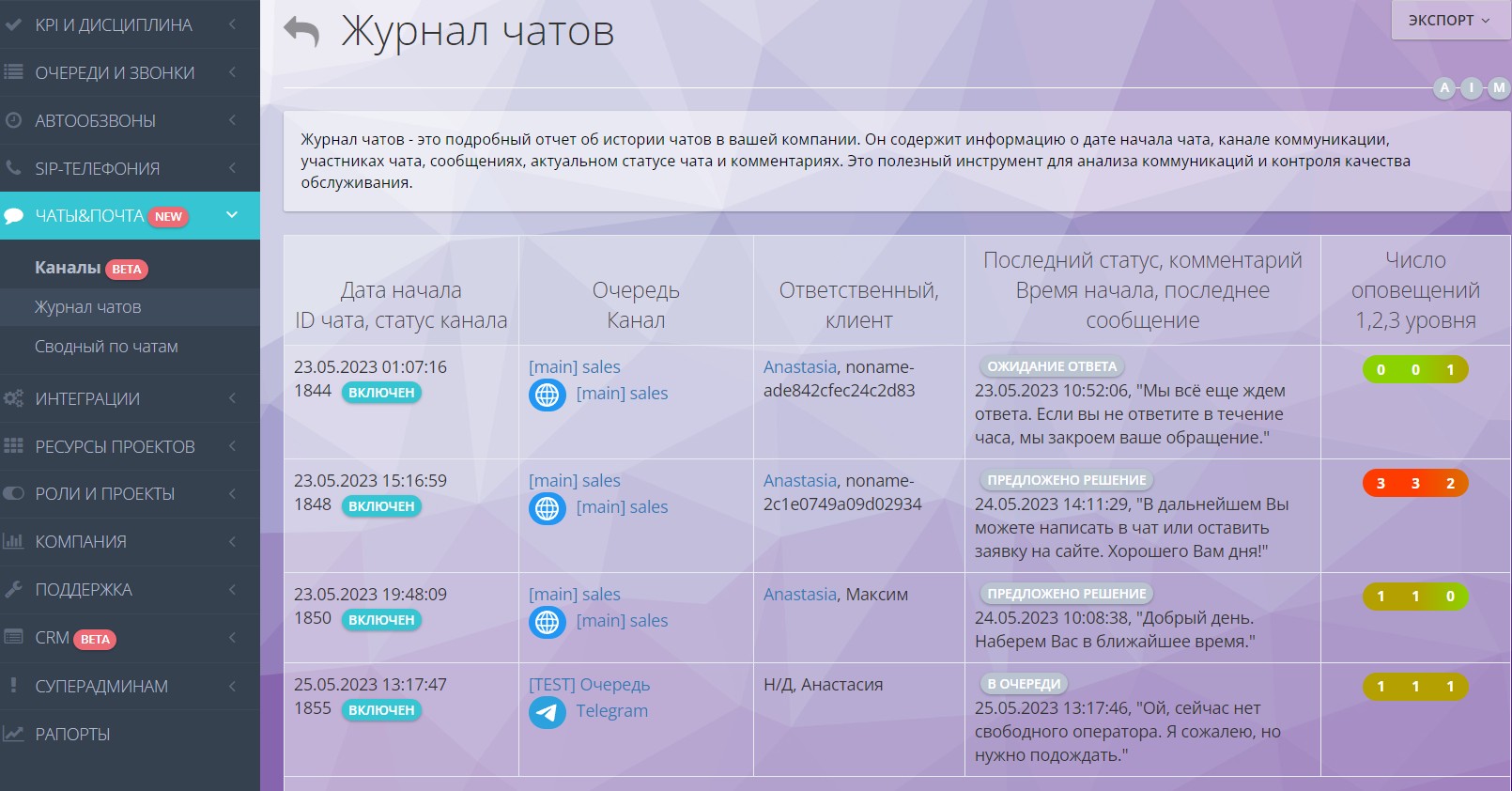
In addition, the Oki-Toki service ensures a high level of security and protection of customer data. It offers a distributed role-based access control system, data access management, data storage on your servers, a system activity log, and other measures that ensure the confidentiality and security of information.
It is also worth noting that Oki-Toki offers support and assistance at the initial stage, helping users with setup and training. This is only a brief overview of the Oki-Toki service and its capabilities. It provides a comprehensive solution for managing operations in call and contact centers, helping improve efficiency, enhance analytics, and ensure data security.
You can read about how to create a virtual call center with Oki-Toki in a separate article on our website.
Three real-world cases of successful use of the Oki-Toki service
Case 1: CustomerCare
Client: CustomerCare, an international company providing contact centers for clients across various industries.
Problem: CustomerCare faced limited capabilities in its current contact center management system. They needed an intuitive and powerful tool that would help them streamline workflows and boost efficiency.
Oki-Toki solution: CustomerCare decided to implement the Oki-Toki service. With Oki-Toki, they were able to configure their PBX, integrate external CRM systems, and use automated call scripts to improve service quality. They also took advantage of evaluation forms and detailed statistics to analyze agent performance and improve their customer communication skills.
Results: Thanks to Oki-Toki, CustomerCare was able to significantly improve customer service quality and increase the efficiency of its contact center. They were able to easily set up the system and use powerful analytics tools, which enabled them to make informed, data-driven decisions. The company increased customer satisfaction and improved its reputation in the market.
Case 2: TechConnectt
Client: TechConnect, a leading IT company providing technical support and consulting services worldwide.
Problem: TechConnectt faced a number of challenges, including the complexity of setting up and managing its call centers, limited analytics capabilities, and the need for secure storage of customer data.
Oki-Toki solution: TechConnectt chose Oki-Toki as the solution for its call centers. They implemented PBX functionality and an internal CRM, as well as integrated their external CRM systems. They used Oki-Toki analytics tools to get detailed statistics on calls and customers, and also created automated reports for more effective monitoring and decision-making. They also took advantage of Oki-Toki security features to ensure the confidentiality of customer data.
Results: Thanks to Oki-Toki, TechConnectt was able to simplify the setup and management of its call centers, improve customer service quality, and ensure data security. They were able to efficiently analyze their operations and make informed, data-driven decisions. This allowed the company to improve its reputation and attract new customers.
Case 3: TravelSolutions
Client: TravelSolutions, a leading travel operator providing a broad range of services and customer support to clients around the world.
Problem: TravelSolutions faced challenges with the complexity of setting up and managing its call centers, as well as a lack of analytics tools for monitoring and improving agent performance.
Oki-Toki solution: TravelSolutions implemented Oki-Toki to manage its call centers. They easily configured PBX, an internal CRM, and integrated them with external CRM systems. They used call scripts and chats to improve customer service, as well as survey forms to collect feedback. With Oki-Toki analytics tools, TravelSolutions gained detailed statistics on calls and agents, which allowed them to monitor performance and improve agent training.
Results: TravelSolutions was able to reduce the time required to set up and manage its call centers, improve customer service, and increase agent efficiency. Thanks to Oki-Toki analytics, they were able to identify weak points and take steps to improve them. This helped TravelSolutions strengthen its market position and increase customer loyalty.